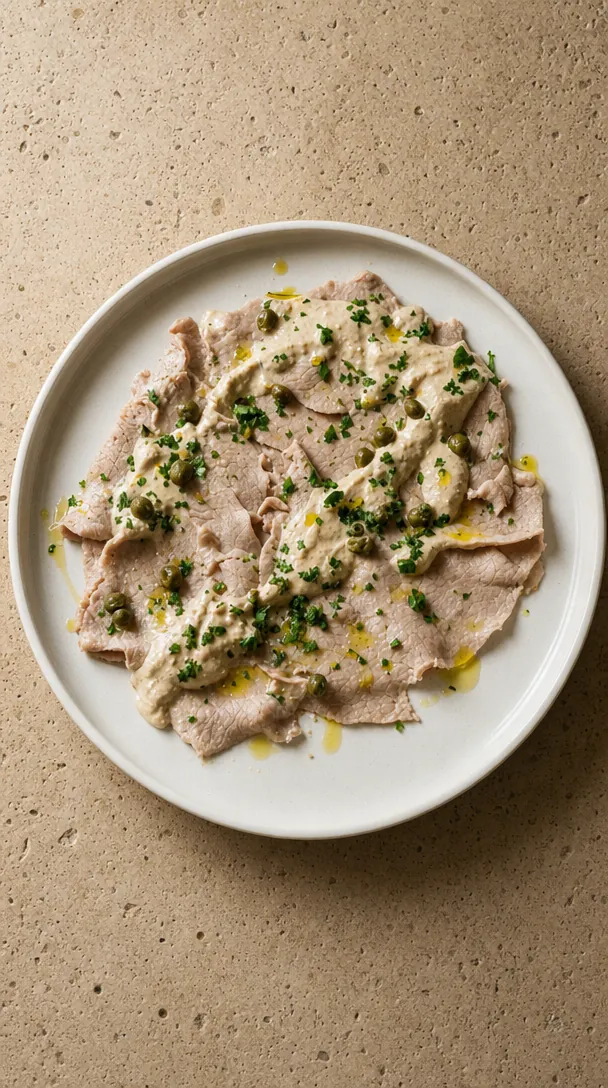
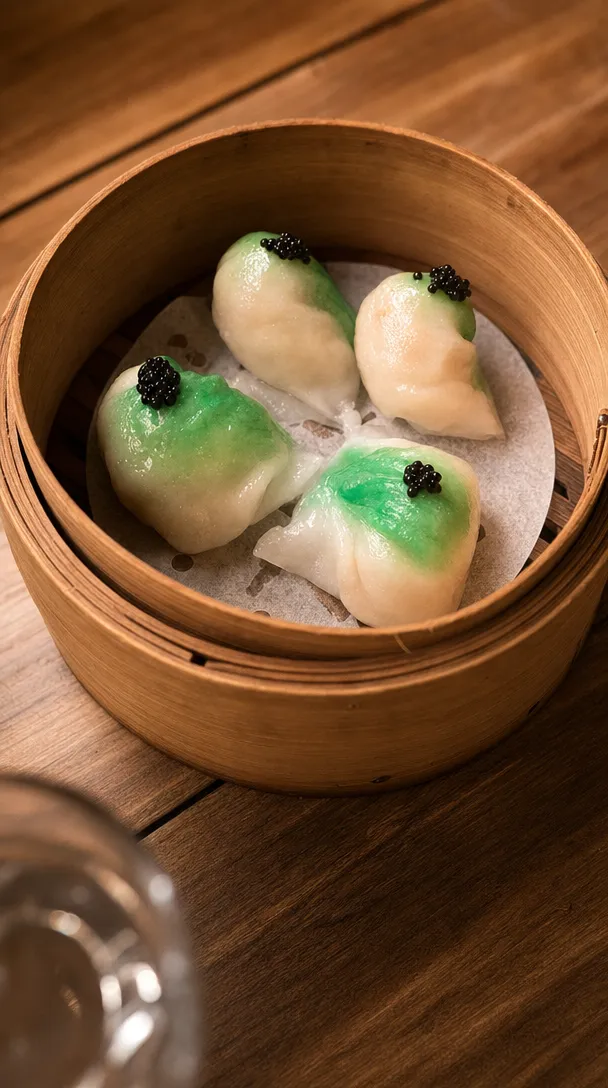
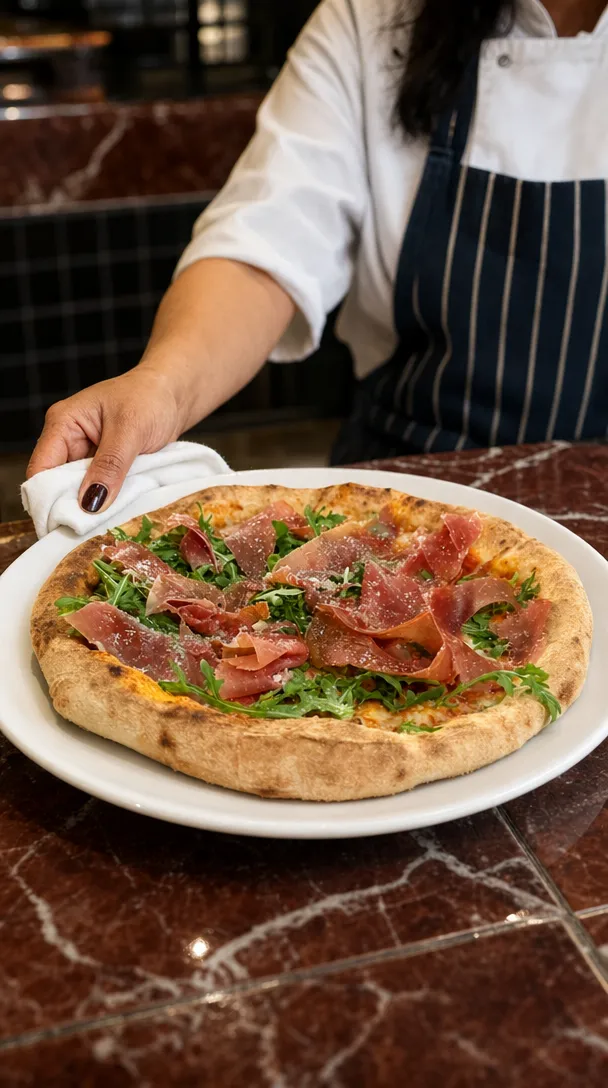
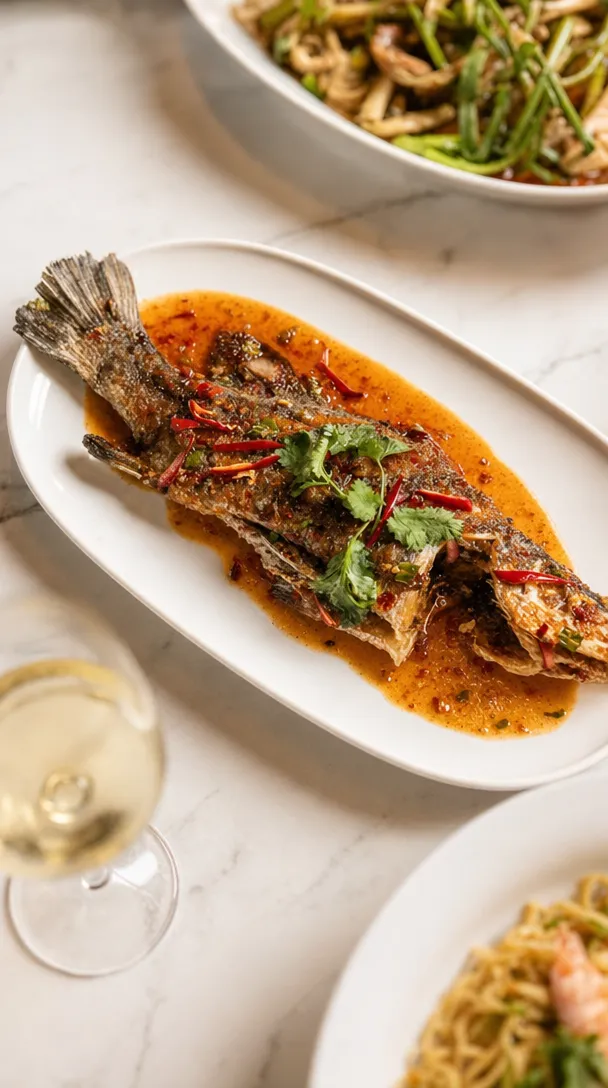
Use phone photos for immediacy, people, service and behind-the-scenes moments. Use polished images for hero dishes, advertisements, landing pages, menu launches and anything expected to sell for weeks. The strongest venue feed uses both.
A restaurant does not need every post to look like a magazine cover. It does need the important commercial moments to look intentional.
The two types of image have different jobs
A phone photo can make the venue feel alive.
It can show:
- The first tray coming out of the oven
- The chef plating tonight’s special
- A busy bar at 6 pm
- Staff tasting a new dish
- A delivery from a producer
- The last table available tonight
- A sold-out service
Those moments lose value when they take a week to produce.
A polished image has a different purpose. It should carry the campaign when the image will be seen repeatedly or needs to create confidence before a booking.
Use stronger production for:
- A new menu launch
- A paid social campaign
- A Google or website landing page
- A private dining package
- A signature dish
- A seasonal campaign
- A gift card campaign
- Press and partnership material
The question is not, “Which style is more authentic?”
The better question is, “What job does this image need to do?”
When a phone photo is enough
A phone photo is enough when speed and context matter more than perfect lighting.
For example:
The wood-fired snapper just landed. Four portions tonight.
That post does not need a campaign shoot. It needs to be current, clear and believable.
Phone content also works well when people are part of the story. A polished empty dining room can feel less inviting than a fast, well-framed clip of the room coming to life.
The phone photo still needs care. Authentic does not mean careless.
The five-second phone photo check
Before taking the shot:
- Wipe the phone lens.
- Move the dish near a clean source of light.
- Remove clutter from the table.
- Check the plate rim.
- Choose one focal point.
Then take three versions:
- Straight overhead
- At table height
- At a slight 45-degree angle
Do not pinch-zoom unless the phone has a suitable optical lens. Move closer instead.
Take a vertical version for Stories and Reels, plus a wider version for the website or landscape placements.
Meta recommends vertical creative for mobile placements such as Stories and Reels, including 9:16 for those full-screen environments.
When the image needs more work
A stronger image is needed when the customer has no other context.
Imagine someone seeing a restaurant advertisement for the first time. They do not know how good the room feels, how the dish smells or how warm the service is. The image has to carry more of that burden.
Meta’s own guidance for photo advertising recommends a single focal point, uncluttered text and visual consistency across a campaign.
That translates neatly to hospitality:
- One hero dish beats six tiny dishes in a collage
- A clean table beats a bench full of service clutter
- A recognisable venue style beats a different edit every week
- A real dish beats a generic stock image
- One clear message beats a poster full of small type
Polish should increase appetite and clarity. It should not make the food unrecognisable.
The best content system is not either-or
A useful monthly mix could look like this:
| Content job | Best starting format |
|---|---|
| Tonight’s special | Phone photo or short video |
| Staff and service | Phone video |
| Signature dish | Polished image |
| Paid advertising | Polished image plus placement variations |
| New menu launch | Polished hero set plus phone behind-the-scenes |
| Private dining | Professional room and table imagery |
| Sold-out update | Phone Story |
| Producer delivery | Phone photo or video |
| Website hero | Polished image |
| Google Business Profile update | Clear current photo or video |
Google Business Profile posts can include photos and videos alongside updates, offers and event details shown on Search and Maps.
That means one good campaign image can work across the website, Google profile, paid ads, email and social. Phone content then keeps the venue current between those larger moments.
A simple test for your next dish
Take one real dish and produce four assets:
- A clean phone photo near a window
- A polished hero image
- A six-second vertical plating clip
- A designed offer graphic using the hero image
Use each asset for a different job rather than posting all four in the same way.
Track:
- Saves and shares on organic content
- Landing-page clicks
- Booking-button clicks
- Cost per booking in paid campaigns
- Enquiries for the promoted experience
Do not declare one style the winner based only on likes. A behind-the-scenes clip may earn engagement while the polished hero image does the commercial work on the booking page.
What Studio should and should not change
A good transformation should preserve the actual food.
It can improve:
- Light
- Background
- Composition
- Crop
- Surface
- Atmosphere
- Placement format
It should not invent a larger portion, add ingredients the guest will not receive or change the dish into something the kitchen does not serve.
The goal is not fantasy. The goal is to present the real product at its best.
The practical capture list
Each week, ask the team for:
- Three clear dish photos
- Two quick clips from service
- One staff or producer moment
- One room or table image
- One operational update worth sharing
That small capture habit gives the marketing team enough raw material to make the venue feel current without turning service into a production day.
Turn one phone snap into campaign content
HospoPro Studio uses a venue’s real dish photo to create polished, on-brand content for ads, pages and social, with human review before it is delivered.
FAQ
Do professional photos feel less authentic?
Not when they accurately represent the venue and food. Authenticity comes from truth and consistency, not from poor lighting.
Can phone photos be used in ads?
Yes. Some phone content works very well when the idea is strong and the image is clear. The asset still needs to suit the placement, message and booking objective.
How often does a venue need a photoshoot?
It depends on how often the menu, room and campaigns change. Build a library for the stable hero content, then use phone capture to cover current moments between larger updates.

We run the photos, posts, ads, email and reporting for hospitality venues across South East Queensland. Everything in this guide comes from doing the work on live venues, not a textbook.