Build restaurant content across five jobs: create craving, show the people, provide proof, sell an occasion and remove a booking objection. Rotate those jobs instead of posting random dishes. Every post should have one hook, one visual idea and one useful next action.
It is that most ideas have no job.
A close-up of pasta might look good.
But what is it meant to do?
Make someone hungry? Prove the pasta is handmade? Fill lunch? Sell the last private room? Introduce the chef?
Content gets easier when every post has one assignment.
Below are 50 ideas organised by what the post is supposed to achieve.
Not every idea needs a professional shoot.
Many can begin with one decent phone snap, one genuine detail and one clear reason to care.
Job 1: Create craving
These posts make the food or drink feel immediate.
They should trigger:
I want that.
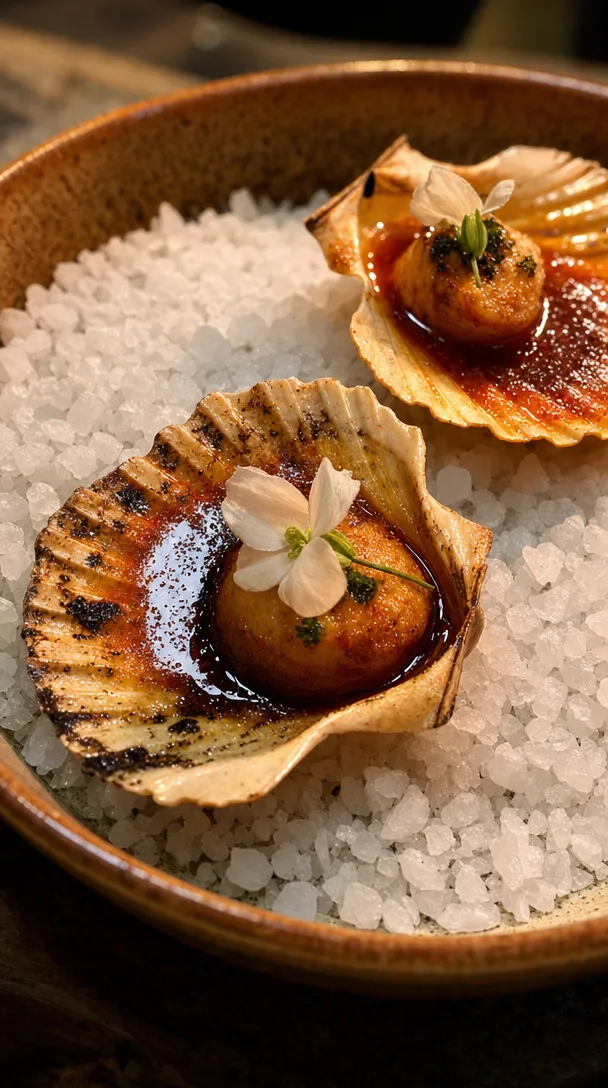
1. The three-second finish
Hook: The last three seconds before it leaves the pass.
Shot: Sauce poured, cheese grated, citrus expressed or butter spooned.
Caption angle: Name the sensory change, not every ingredient.
Brown butter. Hot pan. One last hit of lemon.
CTA: Book tonight or view the menu.
2. The first cut
Hook: Wait for the centre.
Shot: Slice into a steak, lasagne, pie, croissant or filled dessert.
Caption angle: Build one beat of anticipation before the reveal.
CTA: “Available from 5pm.”
3. The sound-on post
Hook: This one needs sound.
Shot: Crackling skin, coffee grinding, pizza crust slicing, wok fire or cocktail shake.
Caption angle: Keep it short enough that the sound does the work.
CTA: Save it for your next visit.
4. The one-ingredient obsession
Hook: We spent three weeks getting one tomato right.
Shot: Ingredient, preparation and finished dish in three quick cuts.
Caption angle: Explain why the ingredient matters.
CTA: Try the result on the new menu.
5. The plate from above, then at eye level
Hook: Pretty from above. Dangerous from here.
Shot: Start with the standard top-down view, then drop to diner eye level.
Caption angle: Describe texture and scale.
CTA: Tag the person who would order it.
6. The steam test
Hook: You have about eight seconds before this disappears.
Shot: Steam rising as the dish lands.
Caption angle: Focus on freshness and timing.
CTA: Lunch bookings open.
7. The sauce decision
Hook: Left or right?
Shot: Two sauces or finishes beside the same core dish.
Caption angle: Ask a real preference question, not empty engagement bait.
CTA: Tell us which one stays.
8. The chef’s bite
Hook: The bite the chef checks before service.
Shot: Chef tasting the element that determines whether the dish is ready.
Caption angle: Explain what they are looking for.
CTA: “Tonight’s first sitting has two tables left.”
9. The ordinary photo transformation
Hook: This began as a phone photo in the kitchen.
Shot: Swipe or transition from the original snap to the finished branded Studio image.
Caption angle: Show the process honestly.
CTA: Explore HospoPro Studio or see the dish in venue.
HospoPro Studio is built to turn venue phone photos into polished, brand-aligned hospitality content, with human quality control before delivery.
10. The menu sentence
Hook: One menu line. One visual payoff.
Shot: Show the menu description, then reveal the actual dish.
Caption angle: Let the item prove whether the words earned their place.
CTA: View the full menu.
Job 2: Show the people
Restaurants are not vending machines.
People book teams, rituals and hospitality.
These posts answer:
Who is behind this place?
11. The five-minute pre-service ritual
Hook: The five minutes nobody sees.
Shot: Napkins straightened, briefing notes, candles lit, music checked.
Caption angle: Explain one detail the team checks before doors open.
CTA: Join us from 5pm.
12. The staff order
Hook: What our floor manager orders when nobody is watching.
Shot: Team member holding or eating their genuine favourite.
Caption angle: Include why, not just what.
CTA: Ask for [Name]’s order.
13. The first job story
Hook: His first job was washing dishes here.
Shot: Portrait in the person’s current role.
Caption angle: Tell the progression in five sentences.
CTA: Celebrate the team member.
14. The handoff
Hook: It takes three people to make this look effortless.
Shot: Chef to pass, pass to runner, runner to table.
Caption angle: Show coordination.
CTA: Meet the team this weekend.
15. The one-question profile
Hook: What makes a great host?
Shot: A natural portrait or short talking clip.
Caption angle: Publish one thoughtful answer, not a full biography.
CTA: “Say hello to Maya next time.”
16. The mistake we caught
Hook: This plate did not leave the pass.
Shot: A harmless quality-control moment, without embarrassing anyone.
Caption angle: Explain the standard that was missed and what happened next.
CTA: None required. Let the proof work.
17. The family recipe without the cliché
Hook: The recipe was not written down until 2019.
Shot: Hands, old notebook, preparation and final dish.
Caption angle: Be specific about who, where and what changed.
CTA: Try it on Sunday.
18. The supplier at 6am
Hook: Before your coffee, this was already happening.
Shot: Produce arrival, bakery pickup, fish market or farm delivery.
Caption angle: Name the supplier when permission exists and explain the relationship.
CTA: See today’s special.
19. The job nobody notices
Hook: The cleanest glass in the room has an owner.
Shot: Polishing, stock rotation, menu updates or table measurement.
Caption angle: Give dignity to invisible work.
CTA: Thank the person, not the brand.
20. The end-of-night frame
Hook: 11:47pm. Last table gone.
Shot: Team exhale, reset or quiet room.
Caption angle: One honest line about the shift.
CTA: “Back tomorrow.”
Job 3: Provide proof
These posts answer:
Is this place actually good, busy and worth the risk?
Proof is stronger than self-praise.
21. The unprompted sentence
Hook: A guest said this on the way out.
Shot: Tasteful text card over a real room image.
Caption angle: Use a genuine comment with permission or an attributed public review.
CTA: Read more guest feedback.
Never invent the quote.
22. The before-and-after room
Hook: 4:55pm and 7:15pm.
Shot: Empty prepared room, then the same angle during service.
Caption angle: Let the contrast communicate energy.
CTA: Book the next service.
23. The sold-out evidence
Hook: This is what “fully booked” looked like.
Shot: Real service footage, not a fake reservation screenshot.
Caption angle: Thank guests and open the next available date.
CTA: Book next Thursday.
24. The regular’s order
Hook: 42 visits. One order.
Shot: A regular’s favourite with permission.
Caption angle: Tell the ritual and why it matters.
CTA: “What is your repeat order?”
25. The review, then the reality
Hook: “The lighting made the whole night.”
Shot: Public review excerpt, then the dining room at that time.
Caption angle: Connect the claim to visual proof.
CTA: Book the occasion.
26. The private-event flip
Hook: Lunch at 12. Engagement dinner at 6.
Shot: Room transition across the day.
Caption angle: Show adaptability, capacity and setup detail.
CTA: Enquire about private dining.
27. The kitchen tally
Hook: 86 portions. Zero shortcuts.
Shot: Prep containers, batch count or service board.
Caption angle: Explain the work behind a high-volume favourite.
CTA: Reserve before it sells out.
Only use a number you can verify.
28. The return guest message
Hook: “Same table, please.”
Shot: The requested table or a discreet booking note with private details removed.
Caption angle: Talk about repeat rituals.
CTA: Create yours.
29. The menu item that earned its place
Hook: It began as a two-week special.
Shot: Original test, guest reaction and permanent menu version.
Caption angle: Explain how demand changed the decision.
CTA: Try the item that stayed.
30. The transparent correction
Hook: You told us the vegetarian options were too limited.
Shot: New dish or menu section.
Caption angle: State the feedback and what changed.
CTA: View the updated menu.
This is not weakness.
It is visible management.
Job 4: Sell an occasion
People rarely buy “restaurant”.
They buy Friday drinks, first dates, family lunch, a team dinner or the hour between work and home.
These posts answer:
Why should I come now?
31. The Tuesday rescue
Hook: Tuesday does not need to feel like Tuesday.
Shot: One table, one hero dish, one drink and a visible time cue.
Caption angle: Package a simple midweek ritual.
CTA: Book Tuesday.
32. The 400-metre idea
Hook: Dinner is 400 metres from your desk.
Shot: Map-inspired route, office exit and venue arrival.
Caption angle: Sell convenience and transition.
CTA: Open from 5pm.
Use a real distance.
33. The first-date table
Hook: The table we would book for a first date.
Shot: Specific table and room angle.
Caption angle: Explain why it works: quieter corner, flattering light, easy sharing menu.
CTA: Request it when booking.
Do not promise a table the venue cannot reliably allocate.
34. The one-hour lunch
Hook: Seated, fed and back at your desk in an hour.
Shot: Timeline from arrival to bill.
Caption angle: Explain the express format and conditions.
CTA: Book express lunch.
Only claim the timing when operations can deliver it.
35. The parents’ window
Hook: Dinner before bedtime still counts as dinner out.
Shot: Early room, family-friendly seating or sharing dishes.
Caption angle: Make the timing and practical details clear.
CTA: Book from 5pm.
36. The after-show plan
Hook: Curtain down at 9:20. Kitchen open until 10.
Shot: Nearby theatre or venue exterior, route and late plate.
Caption angle: Sell the exact post-event window.
CTA: Book the late sitting.
Check current show and kitchen times.
37. The group-order solution
Hook: Twelve people. Zero awkward ordering.
Shot: Banquet spread or set-menu progression.
Caption angle: Explain price, inclusions and dietary handling.
CTA: View group menus.
38. The weather pivot
Hook: Rain cancelled the picnic. Not the plan.
Shot: Warm interior, covered terrace or comforting dish.
Caption angle: React to real conditions without becoming a weather account.
CTA: Walk-ins welcome or book now.
39. The last private room date
Hook: One Saturday left before Christmas.
Shot: The room set for an event.
Caption angle: Name the date, capacity and enquiry route.
CTA: Enquire today.
Urgency should be real.
40. The occasion menu
Hook: What to order when the point is to stay awhile.
Shot: Three-course or sharing sequence.
Caption angle: Frame the meal around the occasion, not the kitchen categories.
CTA: Book long lunch.
Job 5: Help the diner decide
Decision content removes friction.
It answers the practical questions stopping someone from booking.
41. The “what will it cost?” post
Hook: Dinner for two, three ways.
Shot: Three realistic order combinations.
Caption angle: Show examples at different spend levels.
CTA: View menu and prices.
Include a note that drinks, changes and current menu pricing vary where relevant.
42. The dietary walkthrough
Hook: Gluten-free here does not mean one side salad.
Shot: Real options and kitchen process.
Caption angle: Explain what can be accommodated and where cross-contact remains possible.
CTA: Contact the team before booking.
Do not make medical or allergen guarantees the kitchen cannot support.
43. The parking answer
Hook: Park here, not there.
Shot: Street corner, car park entrance and walking route.
Caption angle: Include cost, time restrictions and accessibility where verified.
CTA: Save before your booking.
44. The first-visit order
Hook: First time? Order these four things.
Shot: A sensible progression for two or four guests.
Caption angle: Explain why the combination represents the venue.
CTA: Save the order.
45. The booking-rule explainer
Hook: Why we hold your table for 15 minutes.
Shot: Calm host stand or reservation diary.
Caption angle: Explain the policy without sounding punitive.
CTA: Read booking terms.
46. The room-volume guide
Hook: Quiet date or loud birthday? Pick your zone.
Shot: Different rooms at real service times.
Caption angle: Describe atmosphere honestly.
CTA: Add a seating preference to the booking.
47. The portion guide
Hook: How much should four people order?
Shot: Table spread labelled by category.
Caption angle: Give a practical range and invite staff guidance.
CTA: Save for the table.
48. The menu-change notice
Hook: Three dishes leave Sunday.
Shot: Departing items and one incoming teaser.
Caption angle: Give regulars a final chance without fake panic.
CTA: Book before Sunday.
49. The children question
Hook: Can you bring children? Here is the real answer.
Shot: Highchair, early sitting, menu option or space information.
Caption angle: Cover what is available and what is not.
CTA: Call with specific needs.
50. The complete first-visit guide
Hook: Everything we wish first-time guests knew.
Shot: Fast montage: entry, bar, menu, signature item, room, booking button.
Caption angle: Include location, hours, spend, dress, parking and best occasion.
CTA: Save and send to the group chat.
This can become a pinned post.
A weekly rotation that does not feel random
Use one post from each job:
| Day | Content job | Example |
|---|---|---|
| Monday | Decision | What four people should order |
| Tuesday | Occasion | The midweek ritual |
| Wednesday | People | Staff order |
| Thursday | Craving | The three-second finish |
| Friday | Proof | Room before and during service |
| Saturday | Occasion | Tonight’s atmosphere |
| Sunday | Decision or story | First-visit guide or supplier story |
You do not need seven feed posts every week.
The table shows balance, not a compulsory frequency.
A smaller venue may publish three strong posts and use Stories for the rest.
The five-part post test
Before publishing, answer:
- Who is this for?
- What decision should it influence?
- What is the first-frame hook?
- What proves the claim?
- What should the person do next?
When you cannot answer all five, the post may be decoration rather than marketing.
Decoration is allowed.
It just should not be the whole calendar.
Turn one service into ten pieces of content
A single dinner service can create:
- Room-before-service photo
- Briefing clip
- Ingredient arrival
- Chef finish
- Dish reveal
- Host recommendation
- Guest atmosphere
- Public review response
- End-of-night frame
- Next-service CTA
Capture with intention.
Do not film guests closely without permission.
Avoid making the team perform every shift for the camera.
The goal is to document the venue, not interrupt it.
What to pin at the top of the profile
Use three pinned posts:
- Start here: What the venue is, where it is and who it suits
- First visit: What to order, pricing cues and practical details
- Current focus: The campaign or occasion you most need to grow
That trio can do more for a first-time visitor than the latest three random dishes.
How HospoPro turns ideas into a system
HospoPro’s content approach begins with a venue Brand Kit and a clear campaign focus, then uses venue assets and Studio Shots to build consistent content around the job the venue needs marketing to do.
That matters because “more content” is not the objective.
The objective might be:
- Fill Tuesday
- Grow lunch
- Sell private dining
- Launch a menu
- Build local awareness
- Generate bookings from a specific audience
The content is the delivery system.
FAQ
How often should a restaurant post on social media?
There is no universal number. Choose a frequency the venue can sustain without sacrificing quality, accuracy or service. A useful mix of craving, people, proof, occasion and decision content matters more than hitting an arbitrary daily quota.
What should a restaurant post when nothing is new?
Show the rituals, people, decisions and practical information that remain valuable. “New” is only one reason to pay attention.
Do food photos still work?
Yes, when they create craving or communicate a meaningful detail. A beautiful dish with no context can be weaker than a useful post showing what to order, what it costs and why it suits the occasion.
Should every post include a booking link?
No. Every post should have a job, but not every job requires a hard sell. Use direct booking CTAs when the content is tied to an occasion, date, offer or decision.
Can we use AI-generated restaurant images?
Use technology carefully. The final image should remain faithful to the venue’s real product and brand. Do not advertise food, rooms or inclusions the guest will not receive. HospoPro Studio begins with a real venue photo and includes human quality control.

We run the photos, posts, ads, email and reporting for hospitality venues across South East Queensland. Everything in this guide comes from doing the work on live venues, not a textbook.