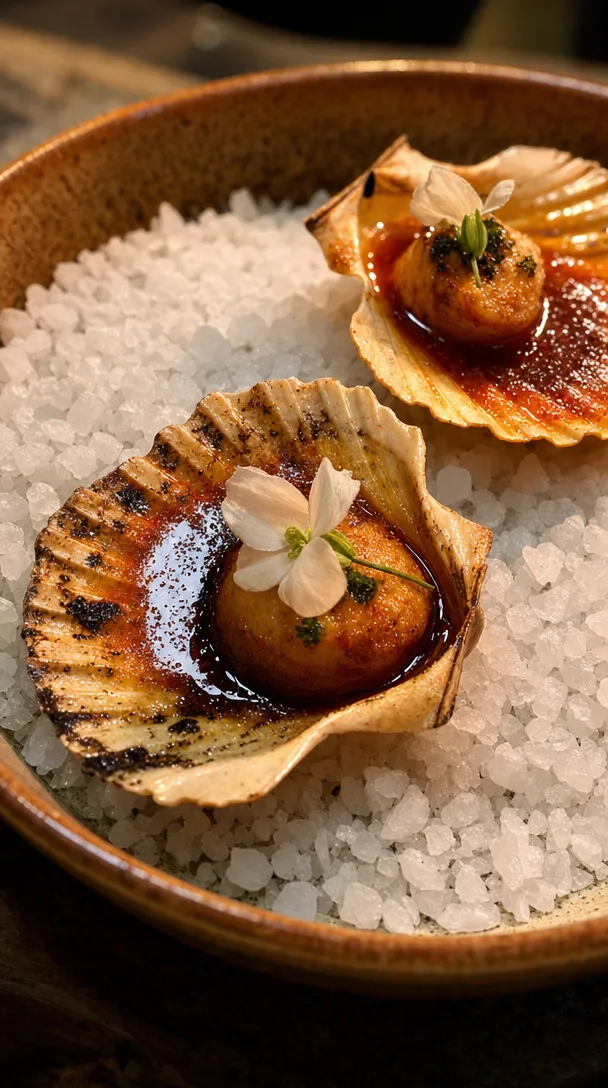
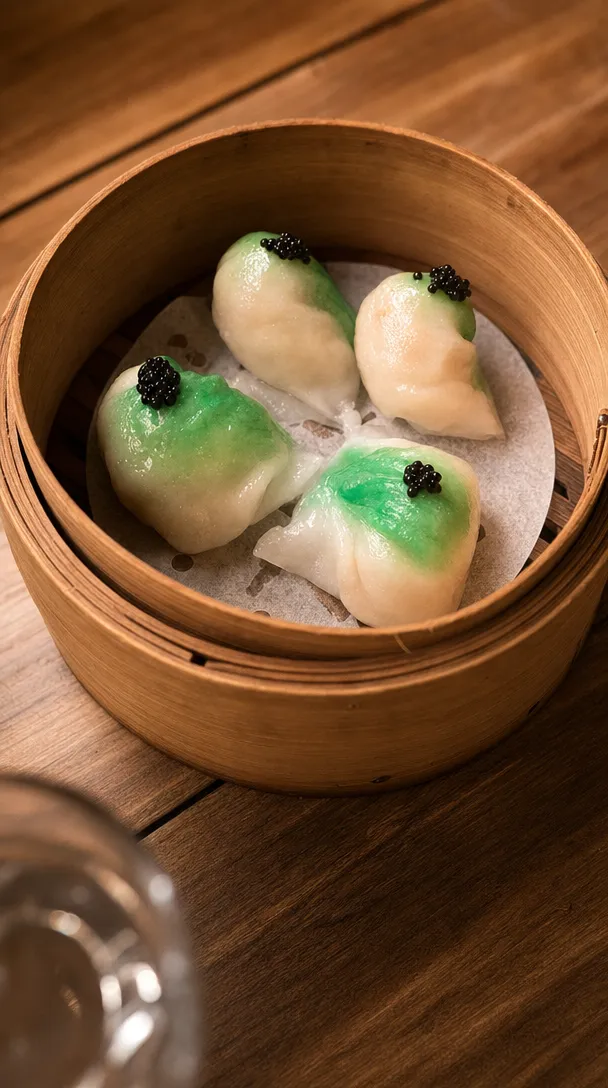
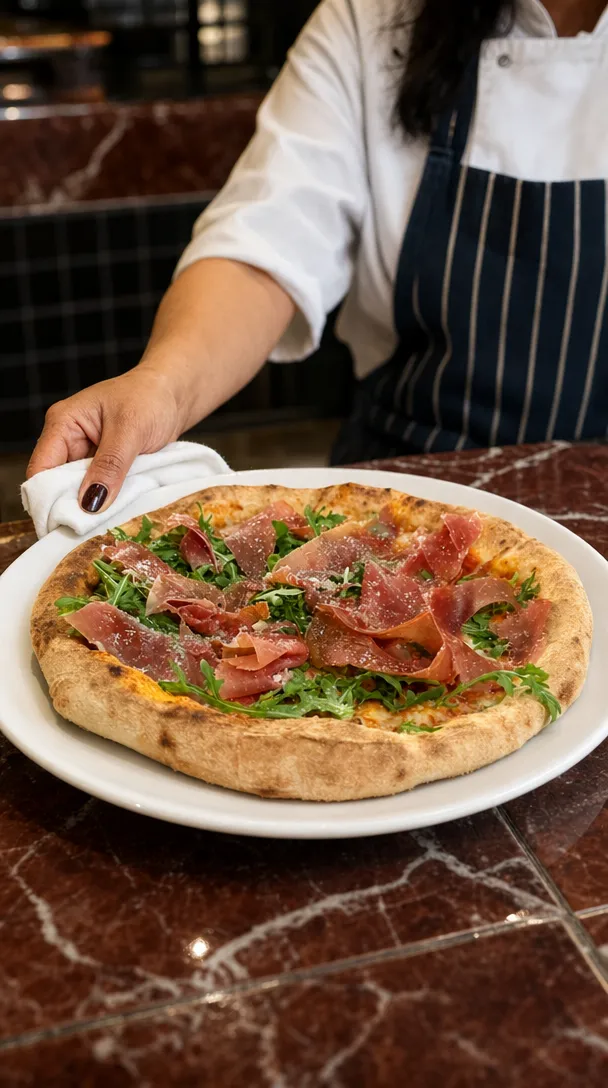
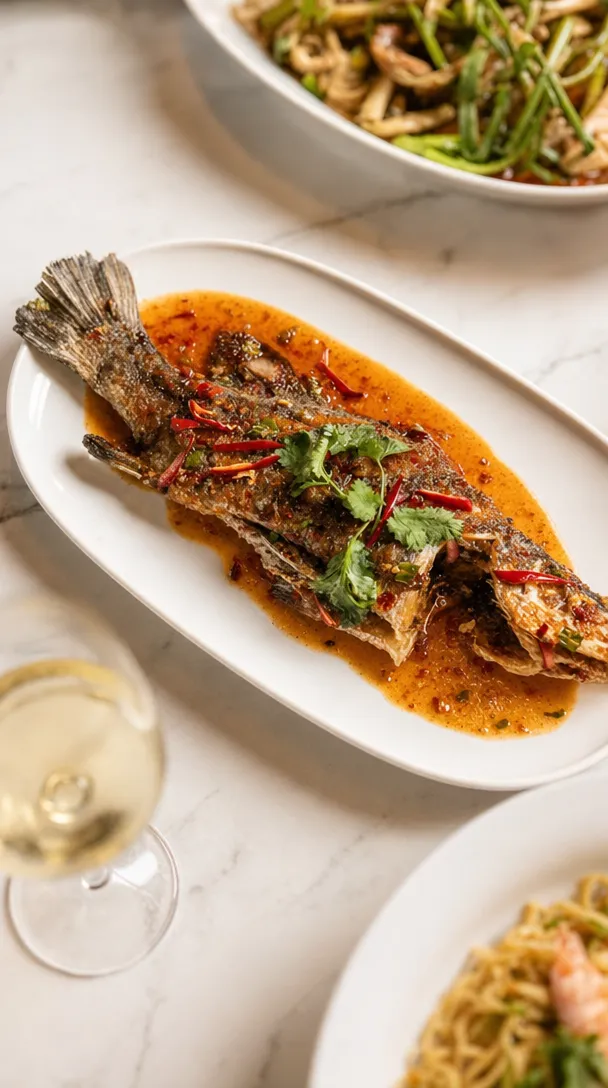
Start with the venue’s actual dish. Improve the light, setting, crop and campaign format. Do not add ingredients, increase the portion, change the cooking, hide material flaws or promise a plate the guest will not receive. A human should check every final image against the source.
It can also make a venue look dishonest in seconds.
The difference is whether the system improves the presentation of the real dish or invents a better-looking product the kitchen never serves.
That principle sits at the centre of HospoPro Studio.
Enhancement and fabrication are not the same thing
Restaurants have always improved food presentation.
Traditional photography can involve:
- Better light
- A cleaner table
- A deliberate angle
- A selected plate
- Careful styling
- Colour correction
- Retouching
AI does not remove the need for judgement. It increases it.
The tool can change more, faster, which means the approval standard needs to be clearer.
The legal and trust problem
The Australian Competition and Consumer Commission states that advertising claims must be true, accurate and based on reasonable grounds. Its guidance specifically includes images and descriptions of what a business offers.
For a restaurant, the image is part of the promise.
A customer may reasonably expect:
- The advertised ingredients
- A recognisable portion
- The same style of presentation
- The stated garnish or accompaniment
- A product that exists during the advertised period
This is general information, not legal advice. The practical point is simple: do not let the image create a false impression.
What AI can improve safely
When the source image is accurate, an assisted workflow can improve:
- Lighting
- White balance
- Exposure
- Background clutter
- Table surface
- Crop
- Composition
- Format for different placements
- Atmosphere around the plate
It can also create useful variations for:
- Feed posts
- Stories
- Ads
- Landing pages
- Menu screens
- Google Business Profile updates
The plate should remain the anchor.
What it should not change
Do not allow the final image to invent:
- Extra prawns
- A thicker steak
- More caviar
- A larger cocktail pour
- Ingredients not in the recipe
- A different sauce
- A garnish the kitchen does not use
- A premium side that costs extra
- A level of char, melt or freshness the product does not have
Also check practical details:
- Is the crockery plausible for the venue?
- Does the glassware match service?
- Is the hand holding the item anatomically correct?
- Is the room style recognisable?
- Has a logo or label changed?
- Is text on packaging accurate?
The image can look polished without becoming fictional.
How HospoPro Studio is designed to work
HospoPro Studio starts with a phone photo of the real dish as it left the pass.
The current Studio page states that the system:
- Was trained on more than 100,000 real venue photos
- Rebuilds the light, table and setting around the real dish
- Returns multiple angles
- Can move from snap to posted within 24 hours
- Sends every image through human review
- Rejects a result when it does not look like the actual plate
These are HospoPro’s own product claims.
The important operational rule is the last one.
Automation creates options. A person still owns the approval.
The five-part truth check
Before any AI-assisted food image goes live, compare it with the source.
1. Product
Is it clearly the same dish or drink?
2. Quantity
Does the portion look materially the same?
3. Ingredients
Has anything been added, removed or changed?
4. Service reality
Could the venue reproduce this presentation during normal service?
5. Commercial context
Does the caption, price and offer accurately describe what is available?
When one answer is no, revise or reject the image.
Use different standards for different jobs
A quick Story about tonight’s special can stay close to the raw phone capture.
A hero image used for six weeks of paid advertising needs more refinement and more checking.
| Use | Recommended standard |
|---|---|
| Tonight’s special | Fast, clear, current |
| Behind the scenes | Authentic phone content |
| Paid advertisement | Polished, truthful, placement-ready |
| Website hero | High confidence and long shelf life |
| Menu launch | Consistent set, checked dish by dish |
| Delivery platform | Accurate portion and product first |
The longer and wider the image will be used, the stronger the approval process should be.
Keep the source image
Store the original phone snap with the final asset.
That creates:
- A reference for future changes
- A simple approval record
- A before-and-after proof point
- A way to retrain the team on good captures
- A safeguard when the menu changes
Do not overwrite the source.
Label illustrative scenes clearly
The practical test is the overall impression created by the advertisement.
If an image is an illustrative campaign concept, a proposed setting or a mock-up of something that does not yet exist, label it clearly. Do not present a concept as documentary evidence of the current dish, room or campaign result.
Use clear internal asset labels such as:
- Original phone snap
- Studio output
- Illustrative campaign concept
- Real on-location photography
This is especially important in case studies and sales material.
A polished Studio image based on the actual plate should still pass the same product, quantity, ingredient and service-reality checks before it goes live.
When real on-location photography is still the better choice
Studio solves speed, consistency and the cost of frequent food content.
A real on-location shoot is still valuable for:
- The room
- Staff portraits
- Service moments
- Large groups
- Chef interaction
- Architectural details
- A major brand launch
- Press coverage
The best system uses each method for the job it does well.
A one-minute approval checklist
Before publishing, confirm:
- Same dish
- Same portion
- Same ingredients
- Correct plate or plausible presentation
- No broken hands, labels or utensils
- Correct price and availability
- Appropriate crop for the placement
- Source image retained
- Human approval recorded
The rule that protects the brand
If it is not on the pass, it should not be in the feed.
See HospoPro Studio work
HospoPro Studio turns real phone snaps into polished, on-brand campaign imagery, with human review before delivery.
FAQ
Is it OK to use AI on my restaurant’s food photos?
Yes, if you start with a real photo of the real dish. AI can fix the light, colour, background, table and crop. It can also make versions for posts, Stories, ads and email. The plate should stay the anchor of the image.
What should AI never change in a food photo?
It should not add ingredients, make the portion bigger or change the sauce. It should not add a garnish the kitchen does not use or a side that costs extra. Check the hands, labels, logos, plates and glasses too. If it is not on the pass, it should not be in the feed.
Can AI food photos break advertising rules in Australia?
The ACCC says ad claims must be true and accurate, and its guidance covers images too. For a restaurant, the photo is part of the promise. Do not let it give guests a false idea of what they will get. This is general information, not legal advice.
How do I check an AI food photo before I post it?
Put it next to the original phone photo. Check that it shows the same dish, the same portion and the same ingredients. Make sure the kitchen could plate it that way in normal service, and that the caption, price and offer are right. If any answer is no, fix the image or reject it.
Do I still need a real photo shoot if I use AI?
For some jobs, yes. A real shoot is still the better choice for the room, staff portraits, service moments, large groups and big brand launches. HospoPro Studio helps with speed, consistency and the cost of regular food content. Use each one for the job it does well.

We run the photos, posts, ads, email and reporting for hospitality venues across South East Queensland. Everything in this guide comes from doing the work on live venues, not a textbook.