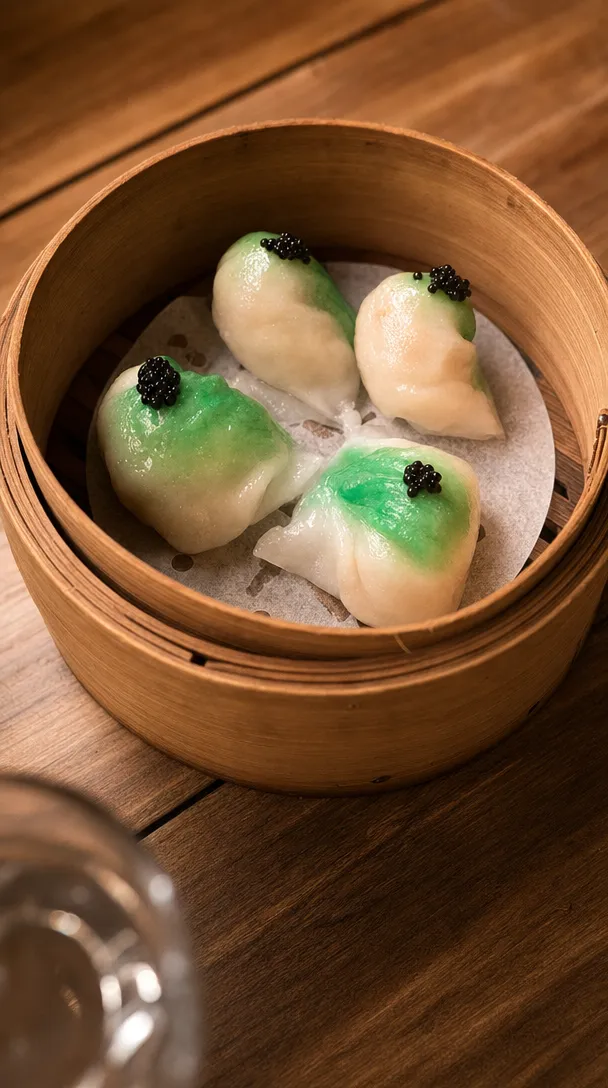
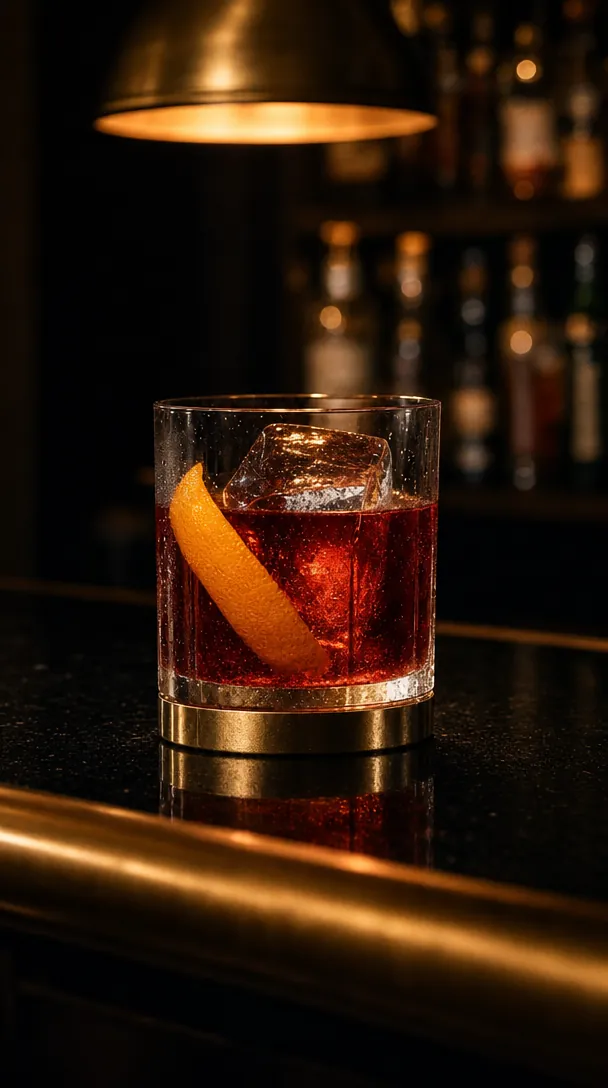
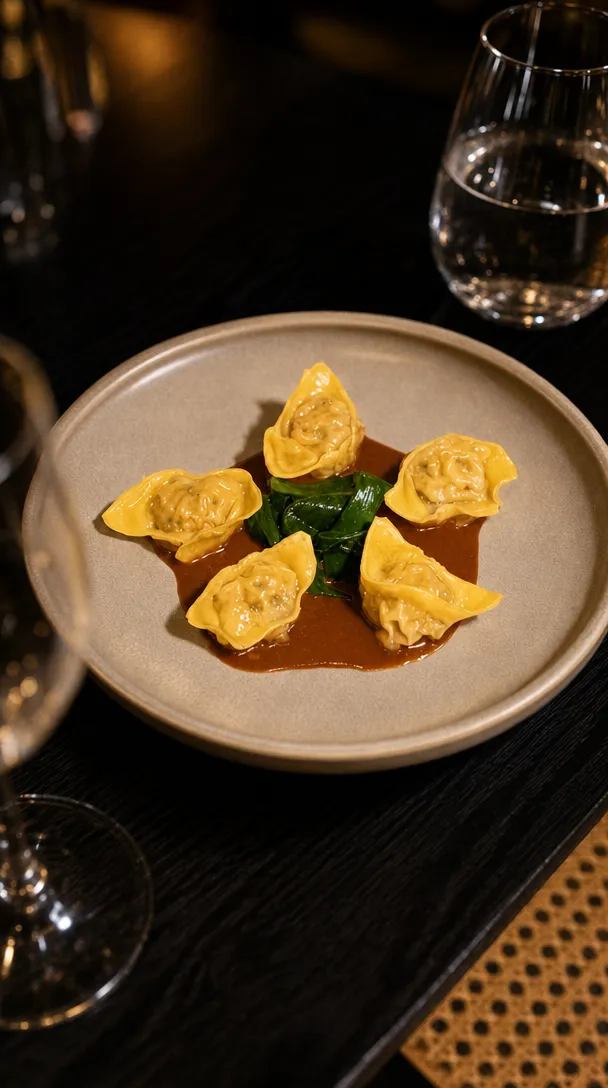
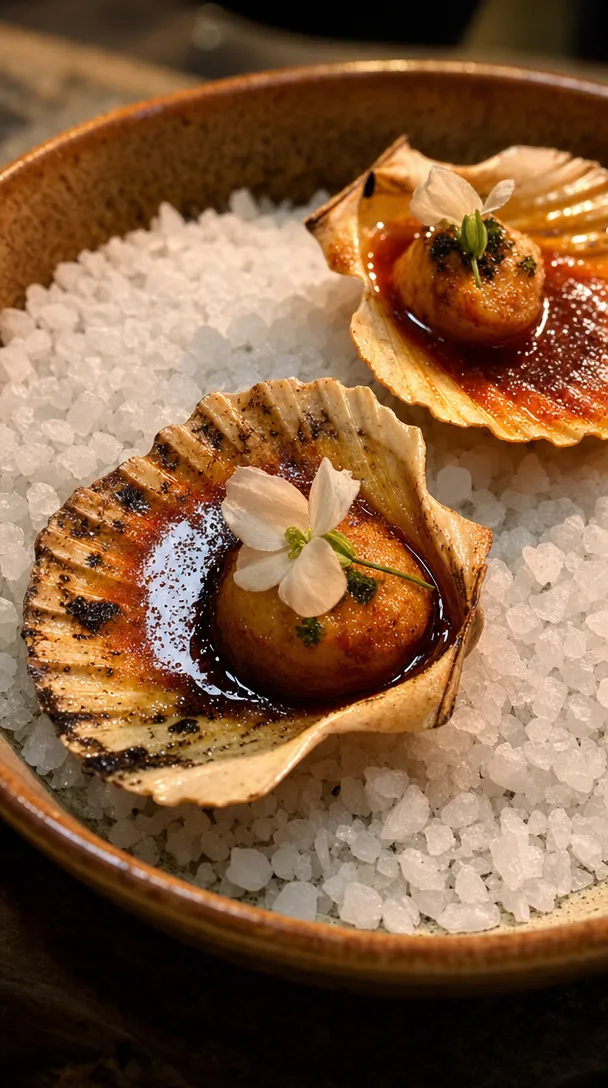
Film short vertical clips of the moments guests love: the pour, the pass, the sizzle, the first cut and your staff. Open on the best bit, add text on screen for people watching muted, and post on fixed days your team can keep. Turn the Reels that get the most saves and shares into ads that point to your booking page.
You do not need a film crew to make Reels that fill tables. You need a phone, ten spare seconds during service and a plan for what to point it at.
The best venue Reels are rarely polished. They show the thing people come for: the food, the drinks, the room and the people who make it.
This guide covers what to film, how to film it in a busy shift, and how to tell if a Reel is bringing in bookings.
What to film
Film the moments a guest would point their own phone at. Movement and sound beat a still plate every time.
- The pour. Wine into a glass, a beer tap, a cocktail strained over ice, milk into a flat white
- The pass. Plates landing, the chef wiping a rim, the docket rail filling up
- The sizzle. Steak hitting the grill, garlic in the pan, a wok flaring
- The first cut. A knife through a pie, a cheese pull, a croissant torn in half
- Staff faces. The barista who knows every regular, the chef who has been there ten years
- The room filling up. Empty at 5pm, buzzing at 7.30pm, shot from the same spot
Faces matter more than most venues think. People book places, but they come back for people. Always ask staff before you film them, and never film guests without asking first.
Win the first second
Most people decide to keep watching or scroll past almost straight away. So start with the best bit, not the build up.
- Open on the sizzle, not on the chef walking to the grill
- Open on the cheese pull, not on the plate sitting still
- Open with words on screen that make a promise: “The $[price] lunch that fixes Mondays”
- Cut anything slow from the start. If in doubt, trim the first two seconds and watch again
A simple test: mute it, watch only the first second, and ask a staff member what it is about. If they cannot tell you, change the opening.
Film it during service
Service is when your venue looks best. It is also when nobody has time. Make filming small enough to fit in the gaps.
- Pick one person per shift. One staff member holds the phone. Everyone else knows they might be filmed.
- Pick one shot before service starts. “Tonight we get the pour of the new spritz.” One shot, not a whole story.
- Hold the phone upright. Reels fill a phone screen top to bottom, so film vertical from the start.
- Keep the subject in the middle. Captions and buttons sit at the top and bottom, so leave space there.
- Wipe the lens. A greasy kitchen lens makes everything look foggy.
- Find the light. Near a window by day, under the pass lights by night. Turn off the flash.
- Shoot more than you need. Ten seconds of a pour gives you two seconds that are perfect.
Stay out of the way of hot pans, knives and busy walkways. No clip is worth a burnt hand or a dropped plate. For still photos, the food photography guide covers light and angles in more detail.
Put words on screen
Many people watch Reels with the sound off, on the train or in a quiet office. If the story only lives in the audio, they miss it.
- Add a short line of text in the first second that says what this is
- Use captions if someone is talking to camera
- Keep text big, high contrast and inside the middle of the screen
- One idea per screen. Five words beats twenty
- Put the key facts in writing: the dish, the price, the day, the suburb
Then write the post caption below the Reel. Lead with what it is and why to come, then one clear next step.
[Dish or drink] is back at [venue name].
[One line on what makes it good].

[Days and times it's on]. [Price] [per person / per plate].
Book via the link in our bio, or walk in from [time].

[Suburb] · [one or two relevant hashtags]
A rhythm a small team can keep
A Reel a day sounds great for a week, then it stops. A smaller number you can keep up all year beats a burst that fades.
| Team size | A rhythm that lasts | How to keep it going |
|---|---|---|
| Owner does it all | One Reel a week | Film on your quietest service, edit on your day off |
| Small team | Two Reels a week | One staff member films, the manager posts |
| Busy venue with a marketing helper | Three or more a week | Batch film one afternoon, schedule the rest |
Pick fixed days and stick to them. “New Reel every Tuesday and Friday” is a plan. “Whenever we get time” is not. If you are stuck for ideas, the social media ideas guide has a long list.
Seven Reels to start with
Here is a starter list. Film one a week and you have almost two months of content.
- The signature pour. Your best known drink, from empty glass to the first sip.
- The dish everyone orders. Open on the first cut or the first bite. Text on screen: the name and the price.
- Meet the chef. Ten seconds, one question: “What should someone order on their first visit?”
- Prep before doors open. Bread out of the oven, herbs chopped, the room being set.
- The pass at full speed. Plates landing during the rush. Shows you are busy and loved.
- The deal or the night. Your quiet night offer, set menu or happy hour, with the day and time on screen.
- Empty to full. The same corner of the room before service and at peak.
Keep a note of which ones get the most saves and shares. That tells you what to film more of.
Turn a Reel that works into an ad
Your best Reels are free ad testing. When one clearly beats the rest, it has already proved people want to watch it.
- Wait a week. Let it settle, then compare it with your usual results.
- Check it has a clear offer. If it does not say what, when and how to book, add that to the text or caption.
- Run it as an ad. Aim it at people near you, and pick a goal that matches what you want, like bookings or website visits.
- Send people somewhere useful. A booking page or a page for that offer, not your home page.
- Set a budget and an end date. Start with [daily budget] for [number] days, then check what it brought in.
Boosting the post is the quick way. Ads Manager gives you more control. This guide explains the difference, and the Instagram ads budget guide helps you set the spend. Make sure the page the ad sends people to works properly on a phone.
If you run a price or offer in an ad, it must be true and you must honour it. Australian consumer law covers ads, so check the ACCC guidance if you are unsure.
Measure what leads to bookings
Views feel good, but they do not pay rent. Look past them to the numbers that point to a booking.
| Number | What it tells you |
|---|---|
| Saves | People want to come back to it, often to plan a visit |
| Shares | People are sending it to the friend they want to bring |
| Profile visits | The Reel made them curious about the venue |
| Booking link clicks | They took the step closest to a real booking |
| Bookings and walk ins mentioning it | The real result. Ask staff to note when a guest says “saw it on Instagram” |
Check these once a week in a simple spreadsheet. After a month, you will see which kinds of Reel bring people through the door, and you can make more of those.
Get Reels that bring in bookings
HospoPro plans your Reels, films and edits them with HospoPro Studio, posts on a steady rhythm and turns the winners into ads that point to your booking page. Start with a free Venue Score to see where your social stands today. Or read about social media management for restaurants.
FAQ
How often should a restaurant post Reels?
Post as often as your team can keep up all year. For an owner doing it alone, one Reel a week is a good start. A small team can often manage two. Pick fixed days, like Tuesday and Friday, so posting becomes a habit instead of something that happens when there is spare time.
Do I need professional gear to film restaurant Reels?
No. A recent phone is enough for most venue Reels. Wipe the lens, film vertical, turn off the flash and use window light or the pass lights. Real moments filmed during service often feel more honest than a polished shoot, though professional photos still help for your menu and website.
What should a restaurant measure on Instagram Reels?
Look past views. Saves show people want to come back to it. Shares show they are sending it to a friend. Profile visits and booking link clicks show interest in visiting. Then ask staff to note when guests say they saw you on Instagram, because bookings are the real result.
When should I turn a Reel into an ad?
When one Reel clearly beats your usual saves, shares and profile visits after about a week. Make sure it has a clear offer with the day and price, then run it as an ad to people near you with a set budget and end date, sending them to a booking page.

We run the photos, posts, ads, email and reporting for hospitality venues across South East Queensland. Everything in this guide comes from doing the work on live venues, not a textbook.