Build a specific experience that belongs to the quiet night. Give it a name, a clear audience, a repeatable format, one hero asset and a direct booking path. Promote the reason consistently for four weeks before deciding whether it works.
It needs a reason to be chosen over staying home, ordering delivery or waiting until Saturday.
Discounting changes the price.
A strong quiet-night offer changes the decision.
Why “we are open” is not enough
Customers already have too many acceptable options.
A normal dinner service on Tuesday competes with:
- Cooking at home
- Delivery
- The gym
- Family routines
- Saving money for the weekend
- Another venue with a clearer occasion
- Doing nothing
The venue needs to answer:
Why should I come on this night?
“Great food and good vibes” does not answer it.
“Hand-rolled pasta every Tuesday, three dishes only” does.
The five-part quiet-night offer
This is the HospoPro starting framework.
1. Choose one service
Do not promote “midweek” when Wednesday is healthy and Tuesday is the problem.
Define the exact target:
- Tuesday dinner
- Wednesday lunch
- Sunday evening
- Monday bar trade
- The first sitting
- The late sitting
- A post-theatre window
The narrower target makes the campaign easier to understand and measure.
2. Create a reason that belongs to the night
The offer can be built around:
- A dish available only that night
- A short set menu
- A recurring ritual
- A producer or chef collaboration
- A table format
- Live music suited to the venue
- A tasting flight
- A neighbourhood event
- A family-style menu
- A late-night menu
- A preview of something new
The experience should be operationally repeatable.
A complicated weekly activation that exhausts the kitchen after two services is not a sustainable growth strategy.
3. Choose the audience
“Everyone” produces generic creative.
A useful audience might be:
- Local couples
- Hospitality workers
- Nearby office teams
- Families
- Students
- Theatre or event visitors
- Wine enthusiasts
- Existing regulars
- New residents
- Groups looking for an easy midweek catch-up
The audience should influence the timing, menu, price, imagery and message.
4. Make the value obvious
Value does not always mean cheaper.
It can mean:
- Easier choice
- A dish that is otherwise unavailable
- More personal service
- A special room setup
- A faster pre-theatre menu
- A recurring social ritual
- A complete menu at a clear price
- Access to a limited experience
The customer should understand what is different within seconds.
5. Create one direct path
Every post, advertisement and email should lead to the same current page or booking option.
The customer should see:
- The night
- The service time
- The format
- The menu or inclusions
- The price where relevant
- Booking terms
- One clear action
Do not advertise “Tuesday pasta” and make the customer select a generic dinner reservation with no confirmation that the offer applies.
Ten quiet-night ideas that are not blanket discounts
The idea must suit the venue. These are starting points, not instructions to copy every trend.
1. The short-menu night
Three starters, three mains, two desserts.
The benefit is focus, not cheapness.
2. The one-dish ritual
Examples:
- Tuesday lasagne
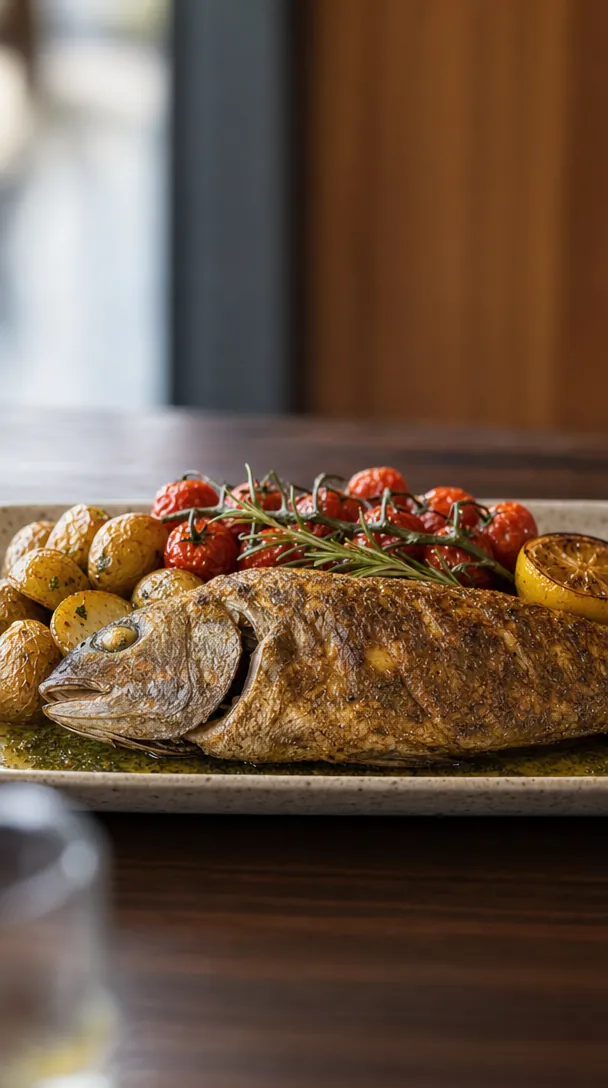
- Wednesday whole fish
- Sunday roast
- Monday ramen
A ritual is easier to remember than another general menu announcement.
3. The local’s table
A recurring shared table or community service for people in the neighbourhood.
Keep the positioning welcoming. Do not make new customers feel excluded.
4. The chef’s counter
A limited number of seats with a defined menu and direct interaction.
This works only when the venue can deliver the promised experience consistently.
5. The producer night
Build one service around a winery, grower, distiller, baker or local supplier.
The partner may also help extend the reach, but the customer proposition should still stand on its own.
6. The pre-event menu
Create a timed menu for people attending a nearby theatre, stadium, gallery or precinct event.
Speed and certainty are the value.
7. The group-table menu
Make it easier for groups to book midweek with a clear sharing format, group size and per-person price.
8. The late sitting
Give the later service its own reason, such as a supper menu, vinyl session or after-work offer.
Do not simply relabel unwanted inventory. Build an experience suited to that time.
9. The preview service
Use the quiet night to release a new dish, seasonal menu or collaboration before the weekend.
Regulars receive first access rather than a lower price.
10. The skill or story night
A chef demonstration, guided tasting or ingredient-focused menu can create a stronger occasion when it fits the brand.
Avoid adding educational theatre that the team cannot deliver naturally.
A discount can still be valid
This is not an argument that discounts are always bad.
A discount may be useful when:
- It introduces a genuinely new audience
- The offer has a controlled period
- The venue understands the contribution margin
- The campaign has a clear acquisition or reactivation goal
- The full-price next step is planned
- The terms are simple
The problem is default discounting.
When every quiet service is promoted with a cheaper price, customers may learn to wait for the offer rather than choose the venue at normal value.
Where possible, add value before removing price.
Examples:
- A set format
- A welcome snack
- A menu preview
- A paired drink
- Priority access
- A special table
- A take-home element
Calculate the real cost of every inclusion.
The four-week launch plan
Do not post once and conclude the market rejected the idea.
Week one: Build and capture
- Confirm the menu and operating format
- Name the night
- Photograph the hero dish and table experience
- Build the landing or booking page
- Configure the correct service in the booking system
- Brief the floor and reservations teams
- Set up tracking
Week two: Introduce the reason
Publish:
- The main announcement
- A hero-dish post
- A direct explanation from the chef or venue manager
- A Story sequence with date, menu and booking link
- A Google Business Profile update where appropriate
- An email to relevant existing customers
Google Business Profile posts can be used to publish updates, offers and events that appear on the profile in Search and Maps.
Australian commercial email rules generally require consent, sender identification and a working unsubscribe option.
Week three: Build proof and reminders
Use real material from the first service:
- Tables and atmosphere
- The dish arriving
- Genuine guest feedback with permission
- The team preparing the menu
- Actual availability for the next date
Run paid activity only with current information and a functioning booking path.
Week four: Review and improve
Measure:
- Covers
- Average spend
- Contribution
- Booking source
- Repeat customers
- No-shows and cancellations
- Staff and kitchen impact
- Which content and ads led to useful action
Then decide:
- Continue unchanged
- Improve the menu or message
- Change the audience
- Adjust the service time
- Add or remove capacity
- Pause the concept
One busy launch night does not prove a repeatable system. One quiet first night does not automatically disprove it.
The paid advertising structure
Meta advertising can be useful when the venue needs to introduce a visual reason to visit. Meta says campaign objectives help its system look for people more likely to take the selected action.
A simple structure is:
New local audience
Show the clearest expression of the night:
- Hero dish
- Service name
- Day and time
- Location
- Booking action
Warm audience
Follow up website visitors, social engagers or video viewers with more practical information, subject to the available tracking and permitted audience setup.
Reminder creative
Use honest upcoming availability and the next date.
Do not keep running an advertisement after the menu, price or service changes.
The email structure
Do not send a seven-item newsletter.
Subject
Tuesday pasta starts next week
Headline
Three pastas. Tuesdays only.
Body
Every Tuesday from 5 pm, the kitchen serves a short menu of handmade pasta. This week: [approved dishes]. Bookings are open for two to six guests.
Button
Book Tuesday
Final line
View the menu, dietary information and booking terms on the page.
One email can introduce the idea. A shorter reminder can follow closer to the service for people who have not booked.
The content system
A recurring night needs recognisable content without becoming repetitive.
Rotate these angles:
- The hero dish
- The full table
- The making process
- The people behind it
- The reason the night exists
- A guest reaction
- The next menu variation
- Current availability
- The room at service
- A direct booking reminder
Keep the name, day and core promise consistent.
Measure the right result
Track:
- Covers on the target service
- Baseline covers before the campaign
- Average spend per cover
- Contribution per cover
- Booking lead time
- New versus returning guests where known
- Booking source
- Cost per booking
- Cancellations and no-shows
- Effect on kitchen and labour
A full room with a low contribution and unsustainable workload is not automatically a good campaign.
A smaller service that builds repeat customers may be more valuable over time.
Where quiet-night campaigns fail
The idea is only a graphic
A name and poster do not create an experience. The menu, service and booking system must support the promise.
The team cannot explain it
Ask a staff member:
What is different on Tuesday?
If the answer is unclear, the customer message will be unclear too.
The offer changes every week
Variation can keep the menu interesting. Constantly changing the core promise makes it difficult to remember.
There is no deadline for learning
Set a review period. Do not continue an unprofitable idea forever because it has a logo.
The venue markets only when empty
Build the campaign before the service becomes urgent. Consistency works better than a desperate same-day post.
The booking path is generic
Make sure customers can select the correct night and understand the offer before confirming.
The quiet-night test
Before launching, answer:
- Which exact service needs help?
- Who is the most realistic customer?
- What is different about this night?
- Can the team deliver it every week?
- What will the customer pay?
- What is the contribution?
- Where will people book?
- How will the booking source be tracked?
- How many services will be tested?
- What result would justify continuing?
When those answers are clear, the content becomes much easier.
Turn the quiet service into a reason to visit
HospoPro builds the offer, content, landing page, email and advertising around one clear venue priority.
FAQ
Should the offer have a special name?
A simple memorable name can help a recurring service. It should still explain the experience. A clever name with no practical meaning creates more work.
How long should we test it?
Use enough services to account for ordinary week-to-week variation while setting a clear commercial review point. The right period depends on the concept, audience, booking lead time and operating cost.
Should we reduce the price on the first night?
Only when it serves a defined purpose and the venue understands the economics. First access, an added inclusion or a menu preview may protect the positioning better than a blanket percentage discount.
What happens when the night becomes busy?
Keep measuring contribution and customer quality. The venue may increase capacity, refine the format or redirect marketing toward another weak service. Do not keep discounting inventory that no longer needs help.

We run the photos, posts, ads, email and reporting for hospitality venues across South East Queensland. Everything in this guide comes from doing the work on live venues, not a textbook.