A strong restaurant Google Business Profile is verified, owned by the venue, complete, current and useful. The name and category are accurate, hours include exceptions, the menu and booking links work, photos show the full experience, posts promote real events, reviews receive human responses and every customer action leads somewhere the venue controls.
A diner can compare your rating, menu, photos, price, hours and booking options without visiting the website at all.
Treat it like the front door.
Google says a Business Profile can help restaurants show menus, photos, offers, orders and reservations across Search and Maps.
The checklist below turns that into a practical audit.
The 21-point checklist
Ownership and safety
1. The venue is the primary owner
The business should retain primary ownership.
Agencies, employees and consultants can be added as owners or managers without sharing passwords. Google says each user should use their own Google Account, and the primary owner retains full control.
Check:
- [ ] The venue controls the primary owner account
- [ ] At least one trusted backup owner exists
- [ ] Former staff and suppliers have been removed
- [ ] Nobody is sharing one password
An agency should never hold the profile hostage.
2. The profile is verified
Unverified profiles have limited management capability and may not appear or update as expected.
Google recommends verification as a core step in showing accurate business information on Search and Maps.
- [ ] Verification status is confirmed
- [ ] The verification email and phone are accessible
- [ ] Business documents are stored safely in case reverification is required
3. The business name is the real name
Use the name customers see on the venue, website and legal materials.
Do not turn:
Luna
Into:
Luna Best Italian Restaurant Brisbane Private Dining
Keyword stuffing can create inconsistency and policy risk.
- [ ] The profile name matches the real-world business name
- [ ] No location, category or promotional wording has been added unless it is genuinely part of the name
Relevance
4. The primary category is exact
The primary category is one of the clearest signals describing what the venue is.
Choose the closest accurate option:
- Restaurant
- Italian restaurant
- Thai restaurant
- Cafe
- Bar
- Fine dining restaurant
- Japanese restaurant
- Bakery
- Pub
- [ ] The primary category describes the core business
- [ ] Secondary categories are relevant
- [ ] Categories are reviewed after major concept changes
Do not choose five adjacent concepts merely to appear in more searches.
5. The description says what, where and why
A useful description explains:
- What the venue is
- Where it is
- Cuisine or format
- Distinctive experience
- Important service or occasion
Example:
Neighbourhood Italian restaurant in New Farm serving handmade pasta, wood-fired mains and long Sunday lunches. Private dining is available for groups of up to 36.
Avoid:
- Keyword lists
- All caps
- Unsupported “best” claims
- Links
- Promotions that expire next week
- [ ] Description is accurate
- [ ] Important dining formats are included naturally
- [ ] No unsupported superlatives
6. Attributes and service options are accurate
Google restaurant profiles can display information such as dine-in, takeaway, delivery and other service details.
- [ ] Dine-in status is correct
- [ ] Takeaway status is correct
- [ ] Delivery status is correct
- [ ] Accessibility information is reviewed
- [ ] Outdoor seating and relevant attributes are accurate
- [ ] Reservation status is accurate
Only claim what the venue can reliably deliver.
Location and contact
7. The address and map pin are exact
A misplaced pin can send guests to the wrong entry, car park or side street.
- [ ] Street address is correct
- [ ] Suite, level or precinct detail is included where useful
- [ ] Map pin sits on the customer entrance
- [ ] Website uses the same address format
- [ ] Directions are tested from a phone
For a venue inside a hotel, centre or complex, explain the entrance on the website.
8. The phone number reaches a real path
- [ ] Number is current
- [ ] It is answered during stated service or office hours
- [ ] Voicemail names the venue
- [ ] Missed calls have a process
- [ ] Call tracking does not break the venue’s core ownership or consistency
A disconnected phone number is an expensive ranking achievement.
9. The website link goes to the right place
The main website link should usually lead to the canonical venue homepage.
For campaign links, use posts or relevant transaction fields.
- [ ] HTTPS works
- [ ] No redirect chain
- [ ] No tracking link that expires
- [ ] Mobile page loads correctly
- [ ] Venue details match the profile
Hours
10. Normal hours reflect customer-facing service
Do not list office hours when diners expect kitchen hours.
- [ ] Opening time is correct
- [ ] Closing time is useful to the customer
- [ ] Split services are represented correctly
- [ ] Different days are checked
- [ ] Late-night changes are reflected
Where the platform allows additional hours, use them appropriately for distinct services.
11. Special hours are loaded before customers ask
Update:
- Public holidays
- Christmas period
- New Year
- Private closures
- Maintenance
- Seasonal service
- One-off events
Google specifically recommends keeping normal and special hours current.
- [ ] Next 90 days reviewed
- [ ] Holiday hours scheduled
- [ ] Website and booking platform match
- [ ] Social announcements do not conflict
Menu and transactions
12. The menu link opens the live menu
Google’s restaurant tools allow venues to share menu information and best dishes.
- [ ] Link is current
- [ ] It opens on mobile
- [ ] Prices are current
- [ ] Dietary notes are accurate
- [ ] The page is not an old PDF hidden in a file viewer
- [ ] Seasonal items are marked correctly
A PDF can remain available, but a live HTML menu is generally easier to use and update.
13. The menu inside Google is reviewed
Google may source menu information from the venue, the website or third parties.
Check:
- Dish names
- Prices
- Photos
- Sections
- Old items
- Incorrect delivery menus
- Duplicate entries
- [ ] The public menu matches the venue
- [ ] Old dishes are removed
- [ ] Preferred source is reviewed where available
- [ ] Major changes are rechecked after publishing
14. The booking link goes to the best booking path
A venue can have automatic third-party links as well as links it adds.
Google allows businesses to set a preferred link and request removal of some unwanted third-party links.
- [ ] Preferred booking link is selected
- [ ] Old booking providers are removed where possible
- [ ] The link opens the correct venue
- [ ] Date and party selection works
- [ ] Mobile booking is tested
- [ ] Completed booking receives confirmation
15. Ordering links are accurate
- [ ] Takeaway and delivery providers are current
- [ ] Preferred provider is selected where possible
- [ ] Commission-heavy or unwanted links are reviewed
- [ ] Menu, hours and service area match
- [ ] “Order” does not lead to a closed or wrong location
Visual proof
16. The cover and logo are intentional
- [ ] Logo is sharp and current
- [ ] Cover image represents the venue
- [ ] It is not a text-heavy flyer
- [ ] It crops well on different screens
- [ ] Branding matches the website and social channels
The cover should answer “what kind of place is this?” in one glance.
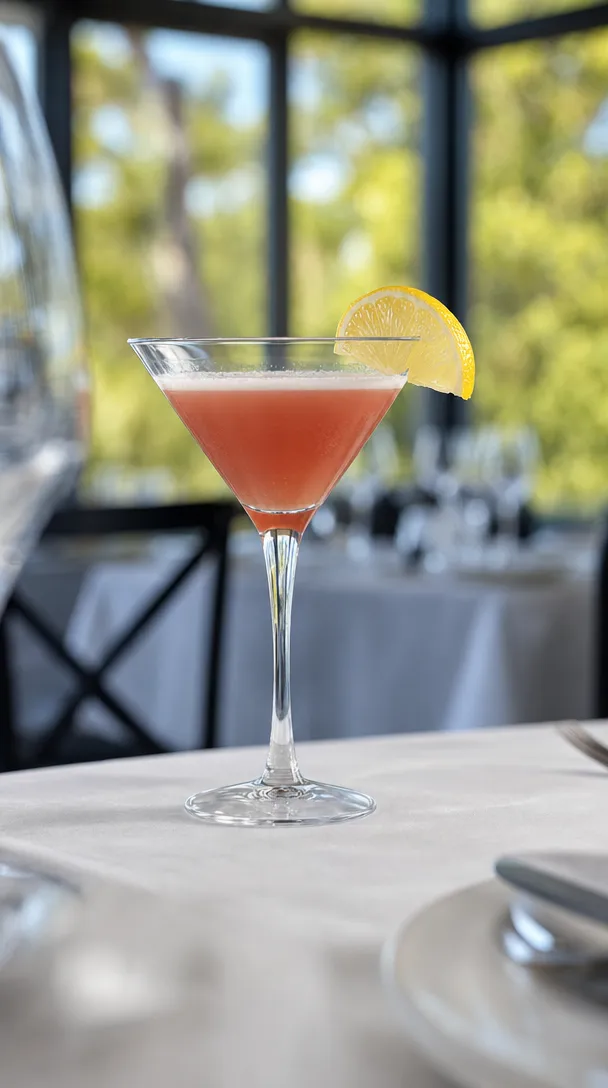
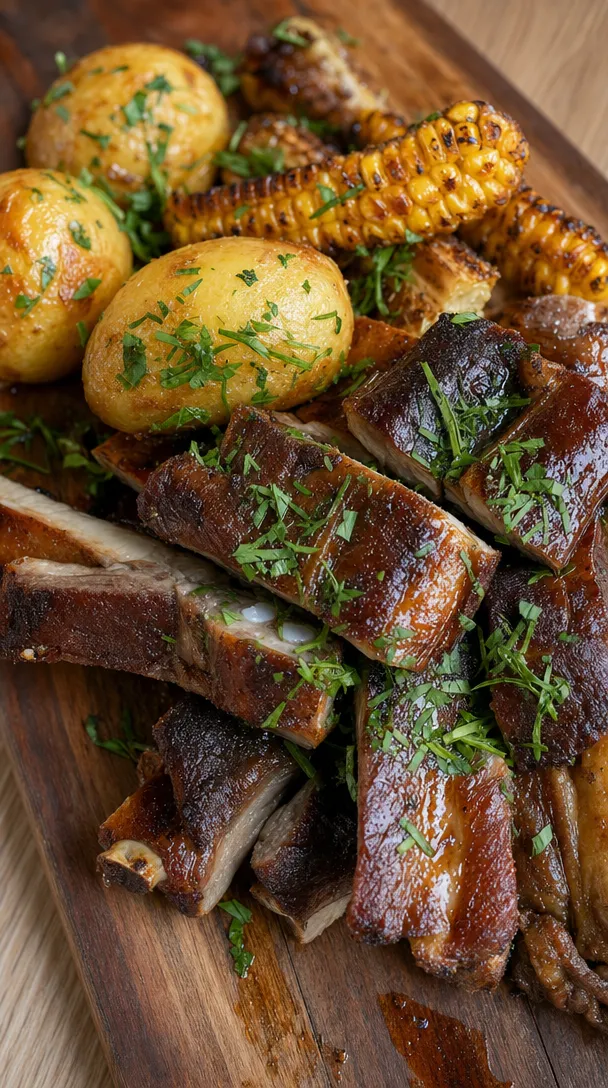
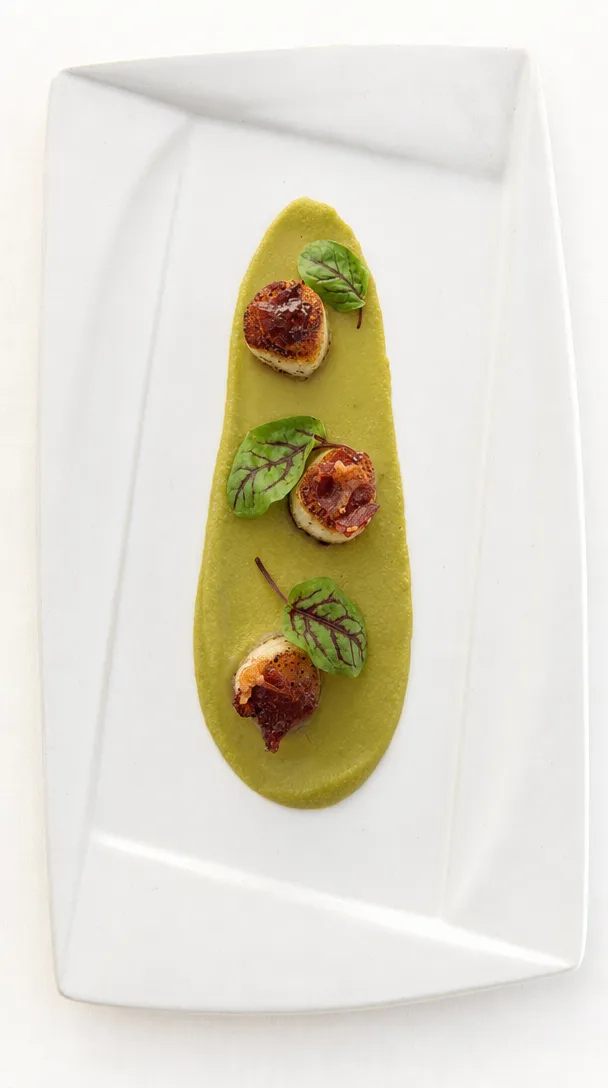
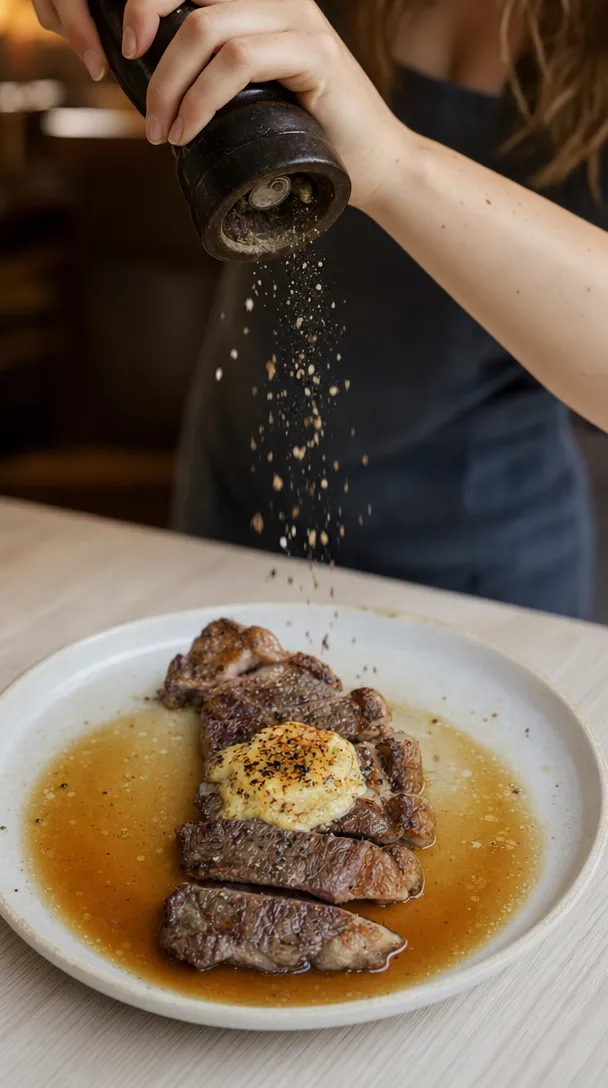
17. Photos show the full buying decision
A diner may need to assess more than the food.
Upload:
- Exterior
- Entrance
- Dining room
- Bar
- Outdoor area
- Private room
- Signature dishes
- Drinks
- Team
- Accessibility
- Parking or entry cues
Google recommends adding photos and videos to showcase the business and tell its story.
- [ ] Exterior is recognisable
- [ ] Room is shown in realistic light
- [ ] Signature food is current
- [ ] Private dining is visible
- [ ] No misleading stock images
- [ ] Old fitout images are removed or reported where possible
18. Photo quality and accuracy are both protected
A polished image should still represent the real dish and venue.
HospoPro Studio starts with the venue’s actual phone photo, rebuilds the setting around that real plate and uses human sign-off before delivery.
- [ ] Dish identity is preserved
- [ ] Portion and garnish remain believable
- [ ] Images do not show unavailable spaces or items
- [ ] Edited content does not mislead diners
Trust and activity
19. Reviews receive useful responses
Google says review responses show that the business values customer feedback.
A good positive reply:
Thanks, Maya. We are glad the team looked after your birthday table and that the barramundi was a hit. We will pass this on to the kitchen.
A good negative reply:
Hi Daniel, we are sorry the wait between courses affected your evening. We have reviewed the service with the floor team. Please contact us at [email] so we can understand the booking and follow up properly.
- [ ] Recent reviews have responses
- [ ] Replies are specific
- [ ] Private information is not shared
- [ ] The venue does not argue publicly
- [ ] Repeated issues are reported internally
20. Review requests are neutral and policy-safe
Google allows businesses to share a review link or QR code.
Google also prohibits paid or incentivised reviews as fake engagement.
Use:
We would value your honest feedback.
Do not use:
Leave five stars and get 10% off.
- [ ] Direct review link works
- [ ] QR code points to the correct venue
- [ ] Staff ask neutrally
- [ ] No reward is offered
- [ ] Unhappy guests are not filtered out
- [ ] Reviews are never purchased
21. Posts promote current reasons to visit
Google Business Profile posts can share updates, offers and events on Search and Maps.
A useful rhythm:
- New menu
- Event
- Holiday hours
- Signature experience
- Booking deadline
- Seasonal offer
- Local collaboration
For eligible single-location food and drink businesses in Australia, featured posts may also surface social or Business Profile content prominently on mobile.
- [ ] At least one current post is live
- [ ] Dates and times are complete
- [ ] Button goes to a relevant page
- [ ] Expired promotions are not relied upon
- [ ] Image is readable on mobile
- [ ] Alcohol-related content follows applicable platform and advertising rules
The ten-minute weekly check
Every Monday:
- Search the venue name
- Confirm open status and hours
- Test booking and menu
- Read new reviews
- Reply where needed
- Check new customer photos
- Publish or schedule one useful update
- Record calls, directions and website actions
- Check for unexpected edits
- Save one next action
Google can update profile information using multiple sources, so do not assume a correct profile stays correct forever.
The 30-minute monthly check
Review:
- Categories
- Description
- Attributes
- Photo mix
- Menu
- Booking providers
- Ordering links
- Public questions
- Review themes
- Performance data
- Holiday hours for the next 90 days
- Competitor changes
Do not change fields merely to “keep the profile fresh”.
Change them when reality changes or the profile is incomplete.
Common mistakes
Only uploading food
The diner also wants to see the room, entrance and occasion.
Leaving old menus connected
A wrong price or unavailable item creates distrust before arrival.
Listing the wrong hours
This is the fastest way to turn visibility into disappointment.
Letting an agency own the profile
The venue should own the asset.
Incentivising reviews
Google prohibits it.
Sending bookings to the wrong provider
Check automatic links.
Treating posts as a social feed
Use them to communicate decisions: event, offer, update, booking.
The score
Give each completed item one point.
- 18–21: strong foundation
- 14–17: visible leaks
- 9–13: likely losing high-intent diners
- 0–8: fix before increasing ad spend
A paid campaign can send more people to the profile.
It cannot make wrong information trustworthy.
FAQ
Should my marketing agency own my Google Business Profile?
No. Your venue should be the primary owner. You can add your agency, staff or consultants as owners or managers, and each person uses their own Google Account. Nobody needs to share a password, and you keep full control.
Can I add keywords to my restaurant’s name on Google?
No. Use the real name guests see on your venue, website and legal papers. Adding words like your suburb or “best Italian” can make your details inconsistent and create policy risk. Only include those words if they are truly part of the name.
Can I give customers a discount for leaving a Google review?
No. Google does not allow paid reviews or reviews given for a reward. You can share a review link or QR code and ask for honest feedback. Never buy reviews, and do not leave out unhappy guests.
How often should I check my restaurant’s Google listing?
Do a ten-minute check every Monday. Search your venue, check the hours, test the booking and menu links, reply to new reviews and post one useful update. Once a month, spend 30 minutes on bigger items like categories, photos, menu and holiday hours for the next 90 days.
Should I fix my Google Business Profile before running ads?
Yes. Ads can send more people to your profile, but they cannot make wrong details trustworthy. Give yourself one point for each of the 21 checks you pass. If you score 8 or less, fix the profile before you spend more on ads.
- Restaurant solutions : Google Business Profile
- Manage Business Profile owners and managers : Google Business Profile Help
- Find your business on Google : Google Business Profile Help
- How to improve your local ranking on Google : Google Business Profile Help
- Manage your local business links : Google Business Profile Help
- HospoPro Studio : one snap, a whole shoot
- Manage customer reviews : Google Business Profile Help
- Tips to get more Google reviews : Google Business Profile Help
- Prohibited and restricted content: fake engagement : Google Maps User Contributed Content Policy
- Create and manage posts on your Business Profile : Google Business Profile Help

We run the photos, posts, ads, email and reporting for hospitality venues across South East Queensland. Everything in this guide comes from doing the work on live venues, not a textbook.