Pick one reason to visit on Tuesday. Send a short email to people who have agreed to hear from you. Make the date, value and booking button obvious. Then send one clean reminder to the people who did not book.
The job of the email is not to explain the whole venue. It is to help a regular make one decision.
Why most venue emails do nothing
Most restaurant emails are written like noticeboards.
They include a new menu, a staff update, a public holiday reminder, a wine dinner, a birthday offer and a paragraph about the chef. Each item may be useful, but together they compete for attention.
A quiet-night campaign should be narrower.
It needs five things:
- One service you want to fill.
- One reason that night is worth choosing.
- One clear date or recurring schedule.
- One strong image.
- One booking action.
The email can be short because the customer already knows the venue. You are not introducing yourself from scratch. You are giving them a timely reason to return.
Start with the reason, not the discount
A quieter night does not automatically need a cheaper menu.
You can build the reason around:
- A dish only served that night
- A set menu that makes choosing easy
- A guest chef or producer
- A weekly ritual such as pasta night or steak night
- Live music or a small event
- A new menu preview
- A limited number of counter seats
- A locals-only booking window
The offer should answer one question quickly:
Why Tuesday, instead of any other night?
“We are open Tuesday” is information.
“Hand-rolled pasta, every Tuesday from 5 pm” is a reason.
A restaurant email you can actually send
Subject line options
- Tuesday pasta is back
- Your table for Tuesday
- One night. One menu. Eight tables left.
- The dish we only make on Tuesdays
Do not force fake urgency. Only mention limited tables when the number is real.
Email structure
Headline: Tuesday pasta, from 5 pm
Opening:
Every Tuesday, the kitchen makes three fresh pastas and keeps the menu deliberately short. This week: crab tagliolini, slow-cooked beef pappardelle and ricotta ravioli.
Useful detail:
Available from 5 pm. Walk-ins are welcome, but the first sitting usually moves quickly.
Button: Book Tuesday
Optional final line:
Regulars get first look before we post it publicly tomorrow.
That is enough.
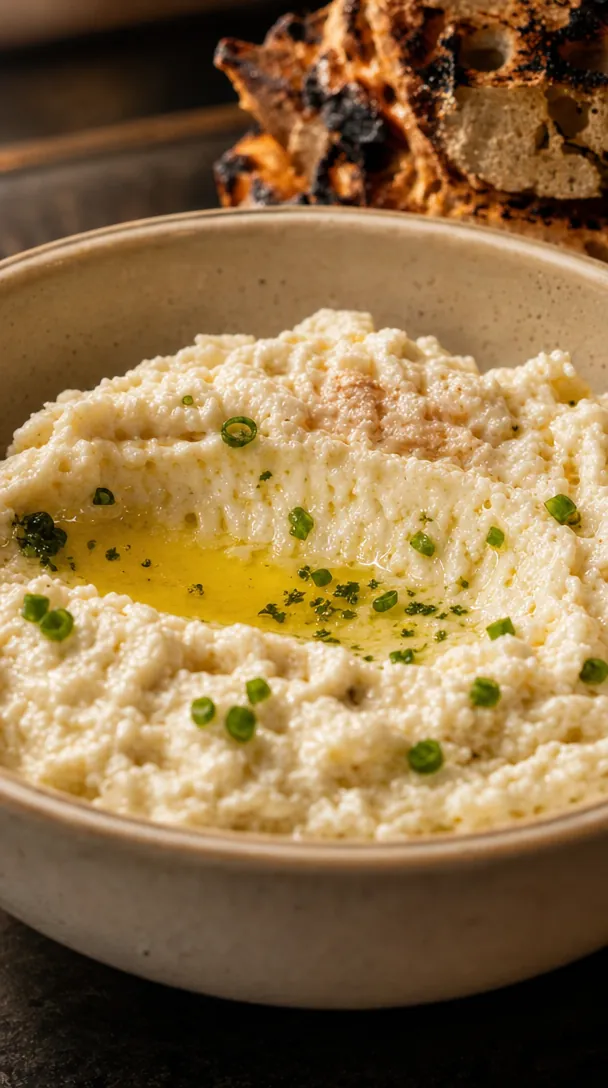
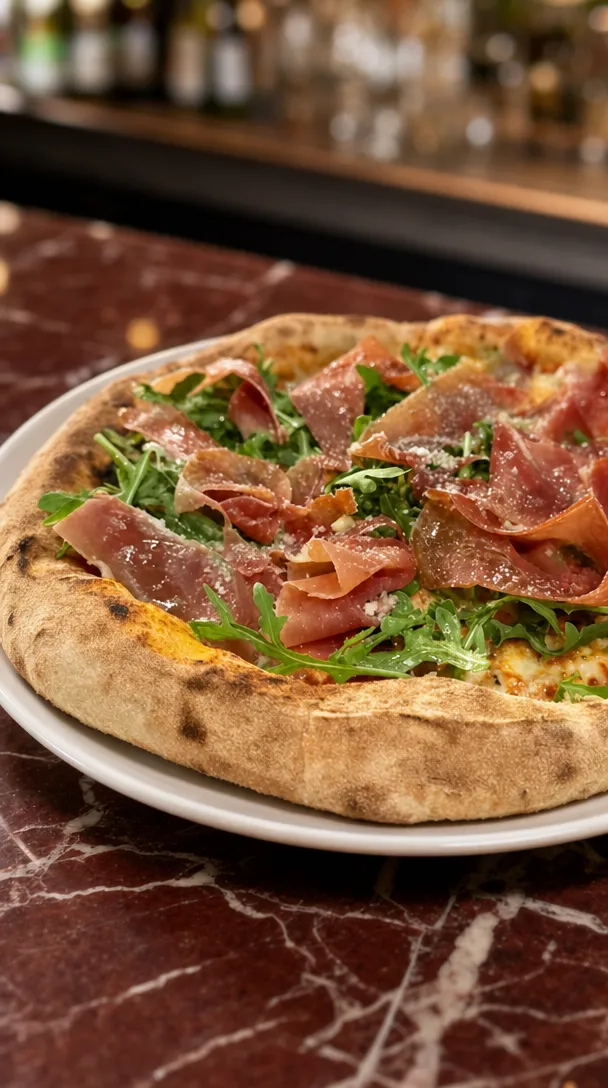
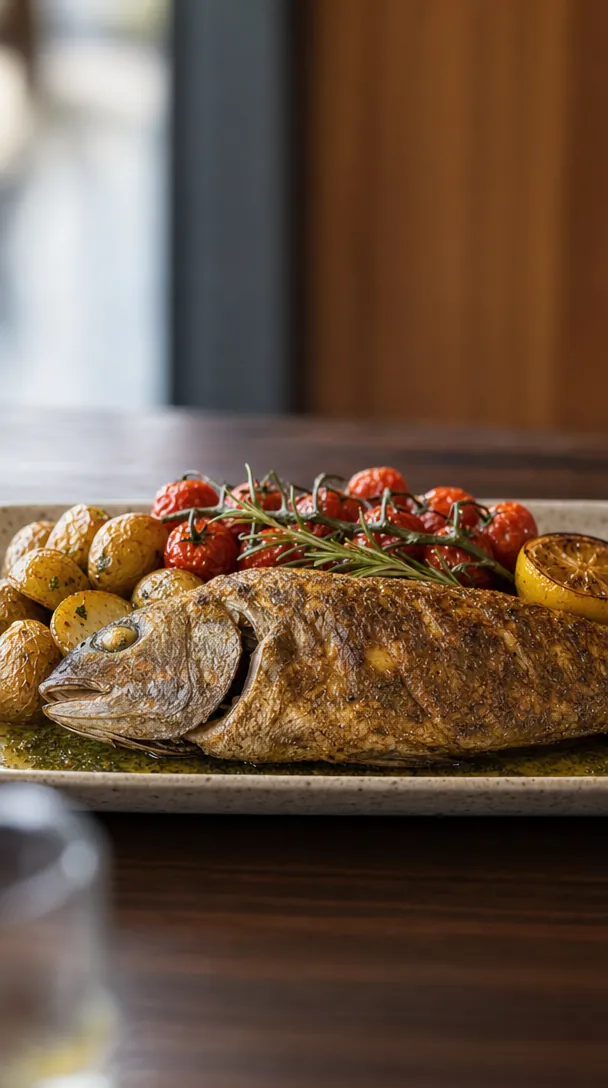
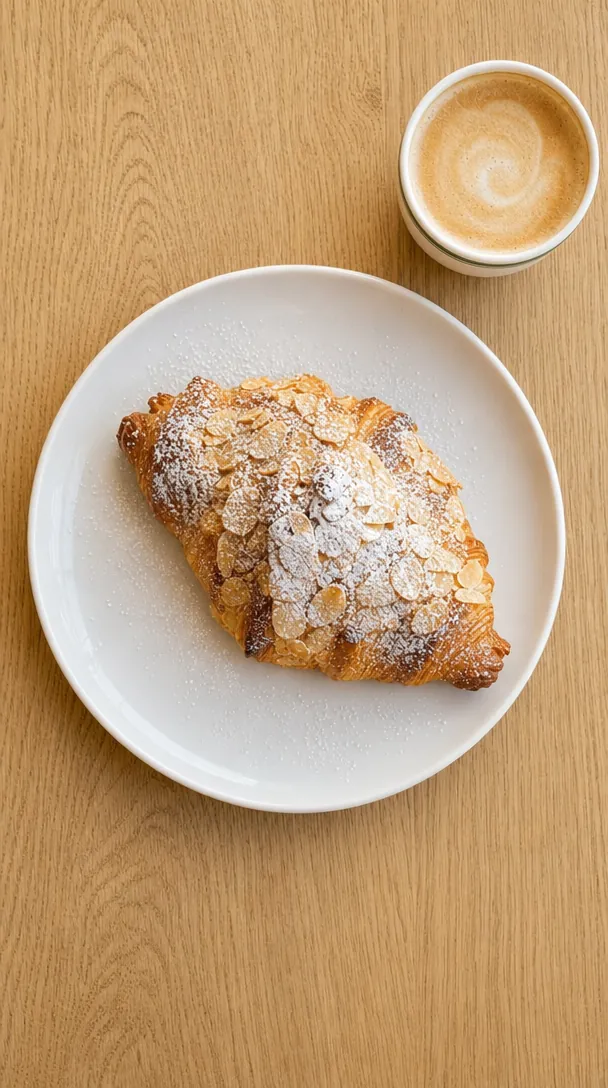
The image should show the experience being sold. Use the pasta, the table, the room or the people. Do not use a generic venue collage when one strong image will do the job.
The HospoPro two-send starting schedule
There is no universal best time for every database. Test against your own booking patterns and email reports.
As a practical starting framework:
Send one: the invitation
Send the main email several days before the service. Give people enough time to organise, especially when the booking involves a group.
Send two: the reminder
Send one shorter reminder closer to the service. Exclude anyone who has already booked when your systems allow it.
The reminder can be as simple as:
Subject: A few Tuesday tables left
Fresh pasta starts at 5 pm tomorrow. Here is the menu and the booking link.
Button: See Tuesday tables
Do not send five reminders for one dinner. Repetition helps. Harassment does not.
Send people to the right page
The booking button should not drop people on a homepage where they have to find the offer again.
The ideal destination contains:
- The Tuesday offer at the top
- The date and service time
- The menu or key inclusions
- Any price or minimum spend
- A direct booking button
- Dietary and cancellation information where relevant
- A phone number for genuine questions
If the booking platform opens in a new window, test the entire path on a phone before sending the email.
The worst time to discover that Tuesday is unavailable in the booking system is after the campaign is live.
Segment before you send
The whole database is not always the best audience.
Useful segments may include:
- Guests who have visited on a weekday
- People who booked a similar event
- Customers who live nearby
- Regulars who have not returned recently
- Guests interested in the relevant cuisine or experience
- People who clicked the first email but did not book
A smaller relevant segment can be more useful than sending every promotion to every address.
Do not invent personalisation you do not have. “We thought you would love this” feels strange when it goes to 12,000 people with no connection to the offer.
Track the booking, not just the open
Open rates can help diagnose delivery and subject lines, but the commercial questions are simpler:
- How many people clicked?
- How many booking sessions started?
- How many bookings were completed?
- How many covers were generated?
- What was the revenue or contribution from those covers?
- How many unsubscribed?
Use a tagged booking link where possible. If the booking platform cannot report the source cleanly, use a campaign-specific landing page and compare bookings during the campaign window.
Do not claim every booking came from the email simply because it arrived after the send.
Keep the list legal and useful
In Australia, commercial marketing emails generally require consent. The message must identify the sender, include accurate contact details and provide an easy unsubscribe option. Unsubscribe requests must be honoured within five working days. The Australian Communications and Media Authority also makes clear that you cannot send a marketing email simply to ask for consent.
That means a purchased list is not a shortcut. The venue remains responsible for whether the recipients have consented.
Practical basics:
- Use a clear opt-in at bookings, events and on your website
- Record when and how consent was obtained
- Explain what people are signing up to receive
- Include a working unsubscribe link in every commercial campaign
- Keep transactional emails separate from promotions where practical
This is general information, not legal advice. Check your obligations for your specific systems and customer data.
The one-email checklist
Before sending, confirm:
- The service is actually available in the booking system
- The date and time are correct
- The offer matches the landing page
- The price and terms are clear
- The image represents what the guest will receive
- The button works on mobile
- Existing bookers are excluded from unnecessary reminders
- The sender name is recognisable
- The email has contact details and an unsubscribe option
Ready to fill the quiet service?
HospoPro plans, writes and sends hospitality campaigns around one clear venue focus, from the email and content to the landing page and advertising.
FAQ
Should we include the whole menu?
Only when the menu is the reason to book and it is short enough to scan. Otherwise show the hero dishes and link to the complete details.
Should we offer a discount?
Not automatically. A clear experience, limited dish or recurring ritual can be enough. Discounting should solve a specific commercial problem, not replace a weak idea.
How often should a restaurant email?
There is no single correct frequency. Send when you have a useful reason to contact the list, then watch bookings, clicks, unsubscribes and complaints. A consistent relevant email is better than a monthly newsletter sent only because the calendar says so.

We run the photos, posts, ads, email and reporting for hospitality venues across South East Queensland. Everything in this guide comes from doing the work on live venues, not a textbook.