Food Photography on a Budget: What Actually Makes a Photo Work
You don't need a $5,000 camera to take photos that stop the scroll. The difference between a mediocre food photo and one that gets 200 saves comes down to three things — and none of them require expensive gear.
Food Photography on a Budget: What Actually Makes a Photo Work
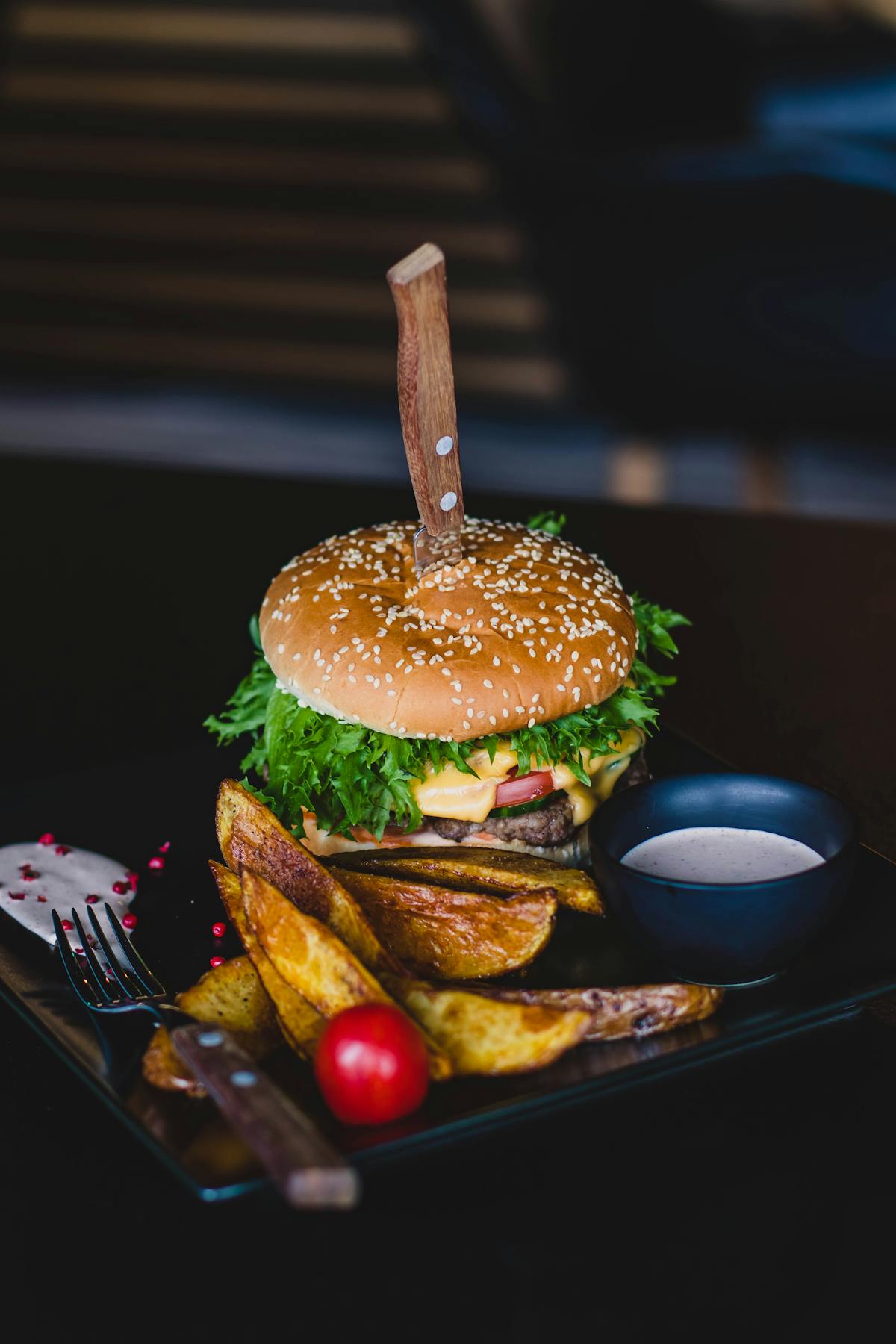
The venues with the best-looking feeds are not always the ones with the biggest photography budget. They are the ones who understand light, composition, and context — and they apply those principles consistently.
Here is what actually moves the needle.
Light Is Everything
Natural side light — from a window at the edge of your frame — creates depth and texture in food that no amount of Lightroom editing can replicate. Avoid direct overhead lighting, fluorescent kitchen lights, and built-in flash. Shoot within the first two hours after sunrise or two hours before sunset if you can.
The Background Earns Its Place
The background of a food photo should create context without competing with the subject. A raw timber table, a linen napkin, a blurred wine glass — these earn their place. A busy kitchen, a tacky table mat, or a branded placemat will kill an otherwise good shot.
Shoot More Than You Think You Need
The best food photographers take 50 shots to get 5 good ones. That ratio does not change whether you are using a $300 phone or a $3,000 mirrorless camera. Shoot every variation — overhead, 45 degrees, close up — then edit down. Volume creates options.
What a Professional Adds
A professional photographer brings consistency, the right gear for low-light environments, and an eye trained to spot what makes your venue unique. For venues on a plan with HospoPro, our quarterly photoshoots cover all of this — so your content library never runs dry.
Want results like this for your venue?
Let's talk about your marketing.
Book a free 20-minute Discovery Call. No pitch, no pressure. We'll tell you exactly where you stand and what to do first.
Book a Free Call